Bellagio: Beauty, Control, and the Illusion of Calm
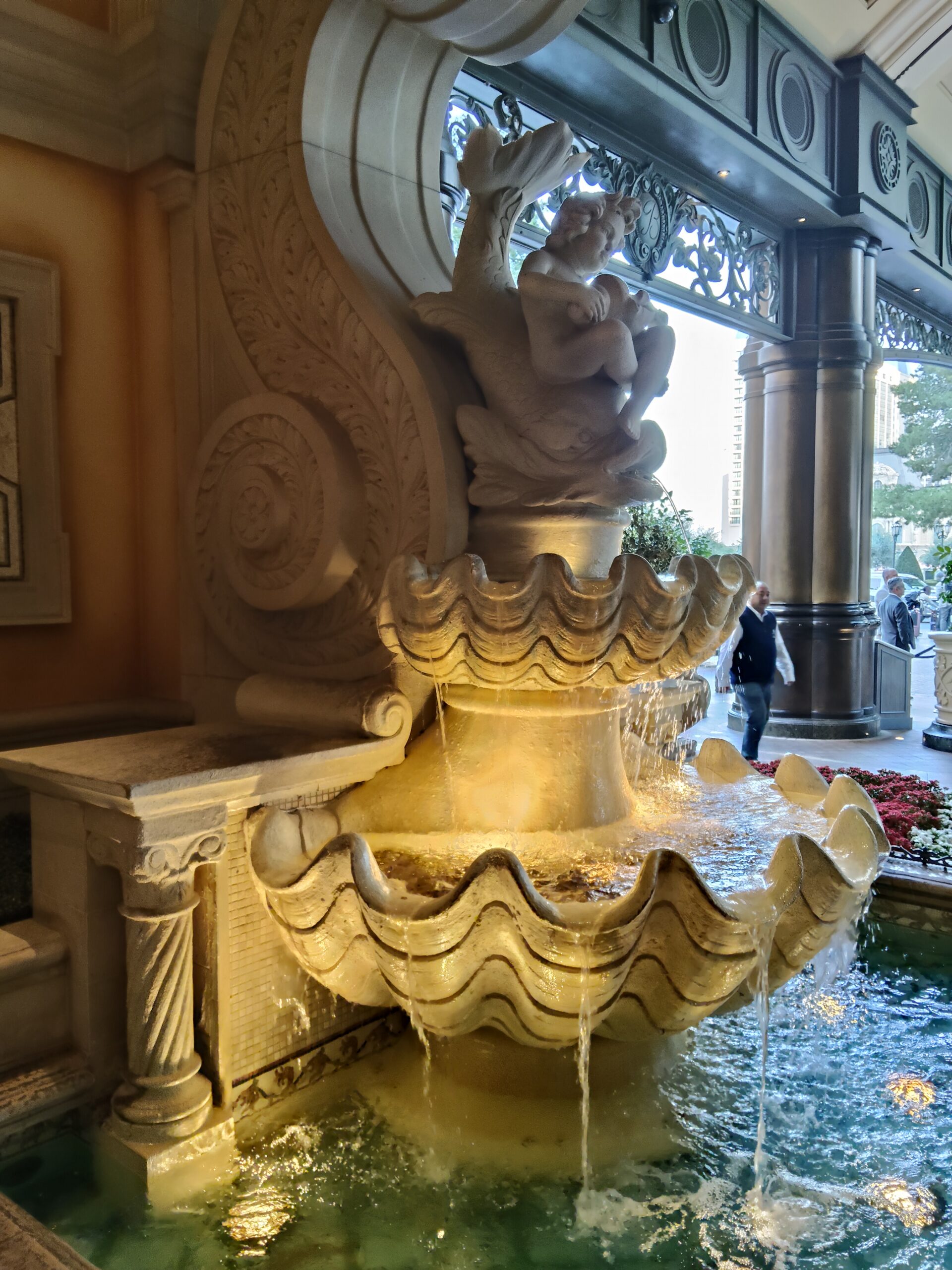
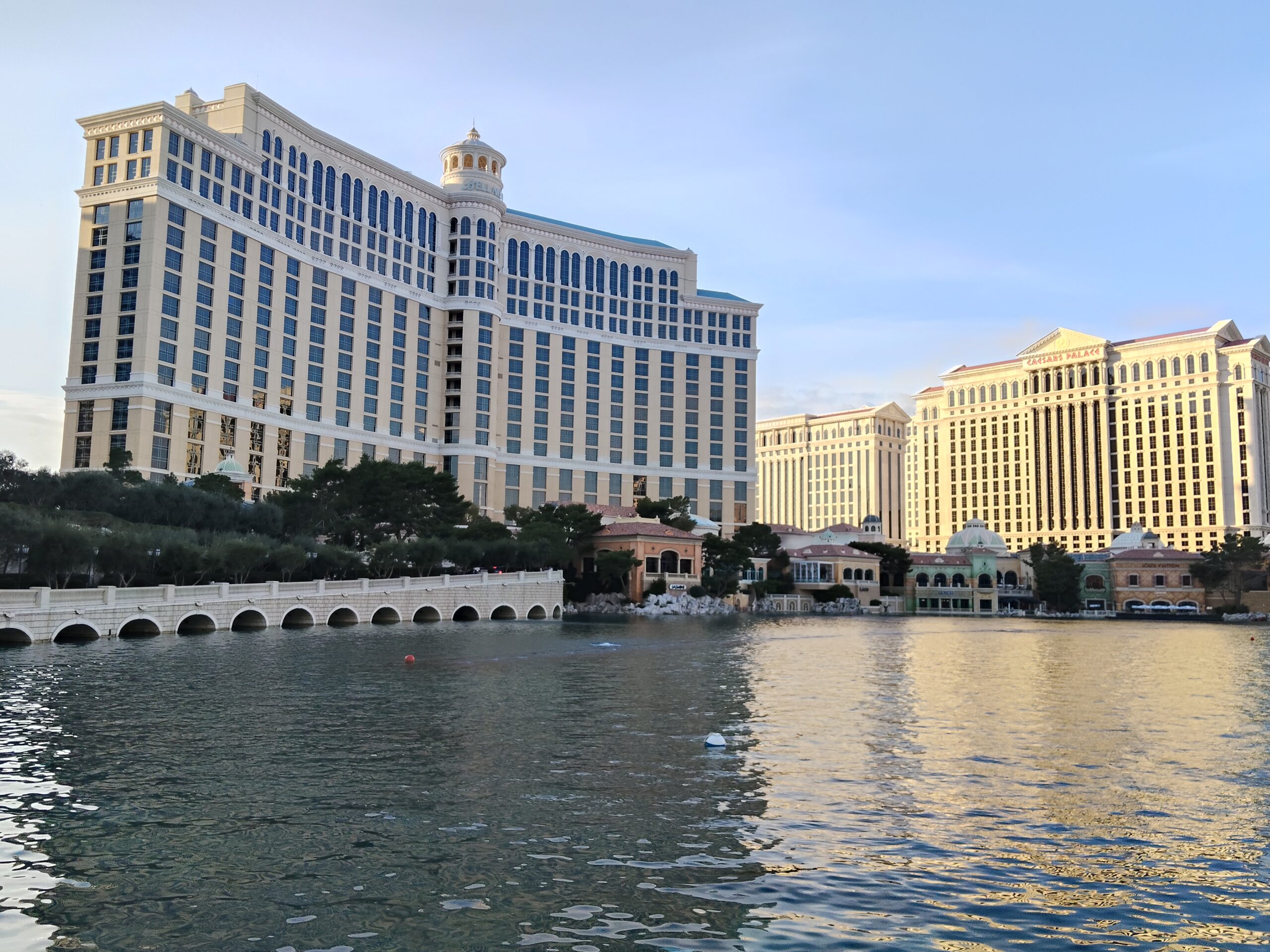
Bellagio has a way of slowing you down before you even realise it’s happening. I walked in from the Strip, past the fountains outside — the ones everyone knows, the ones that feel cinematic even when you’ve seen them a hundred times on screen. Standing there, watching the water rise and fall in perfect timing, it’s hard not to feel like you’re part of something special. The message is clear before you even reach the doors: this is the life. That phrase appears more than once around Bellagio, and it’s not accidental.
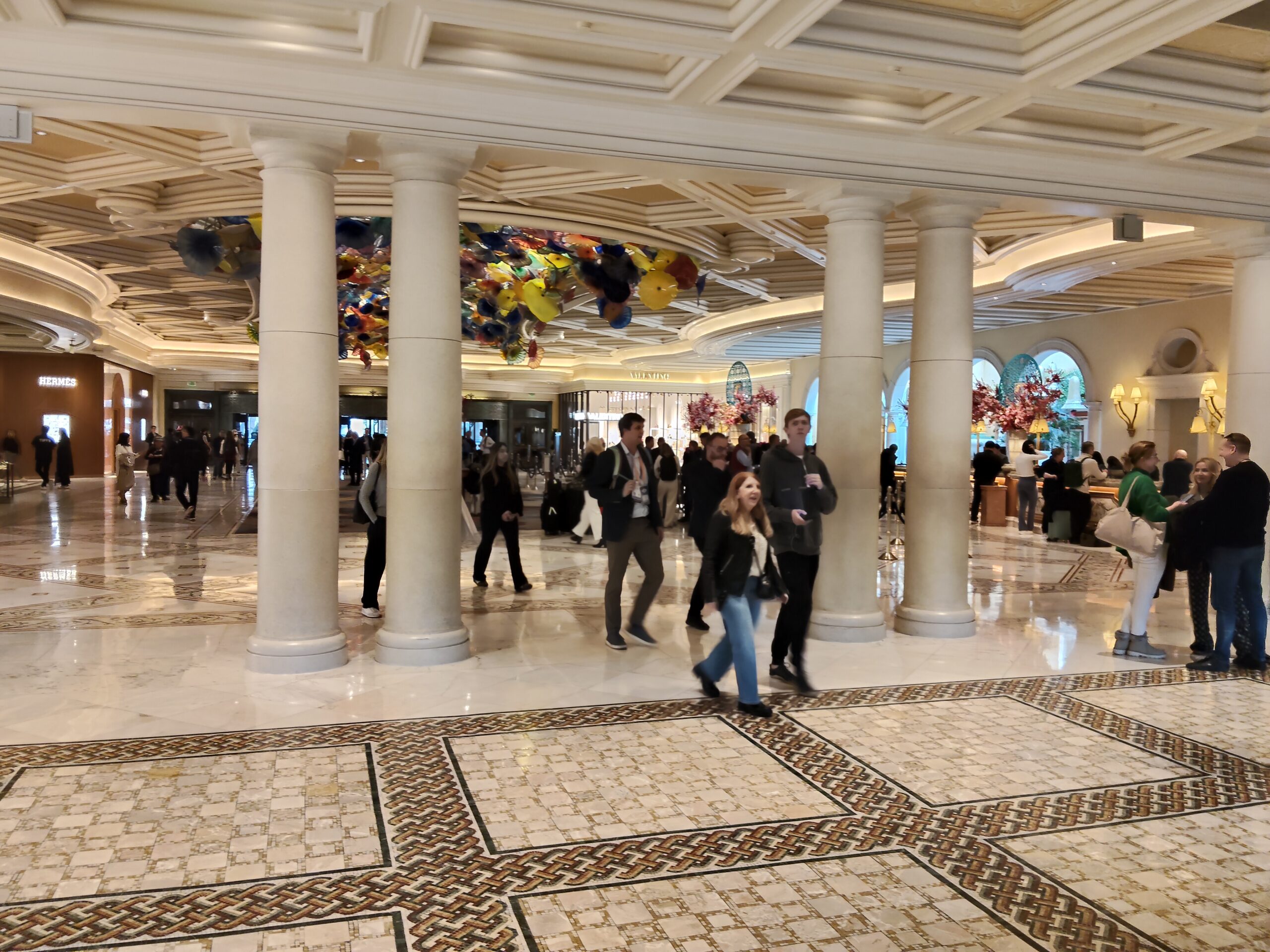
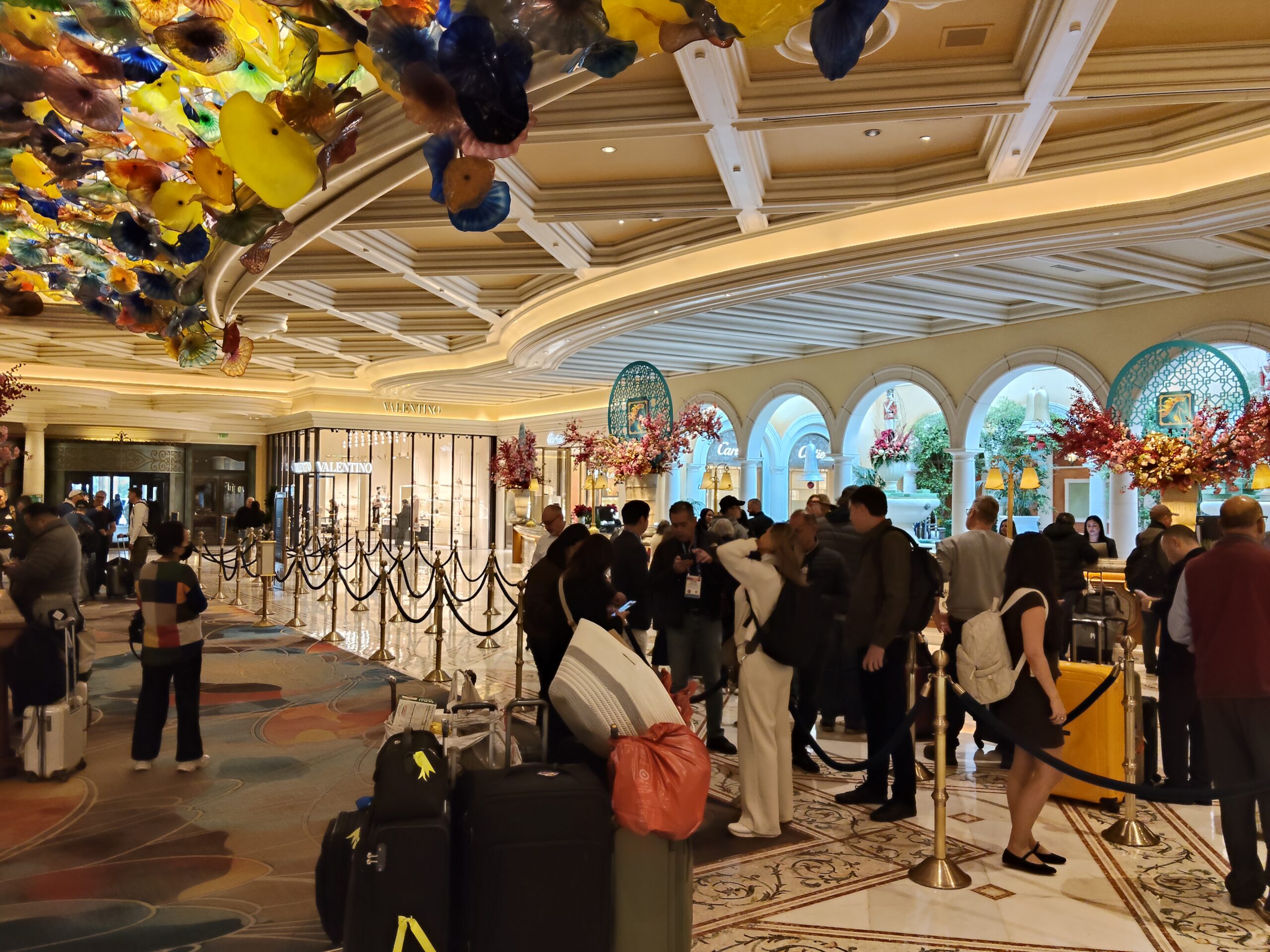
Once inside, the transition is seamless. The lobby opens up into a space that feels open, polished, and unhurried. Marble floors, tall columns, warm lighting. People aren’t rushing. They’re strolling, looking up, taking photos, dragging suitcases behind them while checking their phones. It feels more like a luxury transit lounge than the entrance to a casino. And that’s the point.
Bellagio doesn’t rely on noise or urgency. It relies on atmosphere. The environment gently tells you that this is a place of quality, taste, and refinement. When a casino gets that part right, it doesn’t need to push the gambling as hard. The decision to play happens later, almost subconsciously.
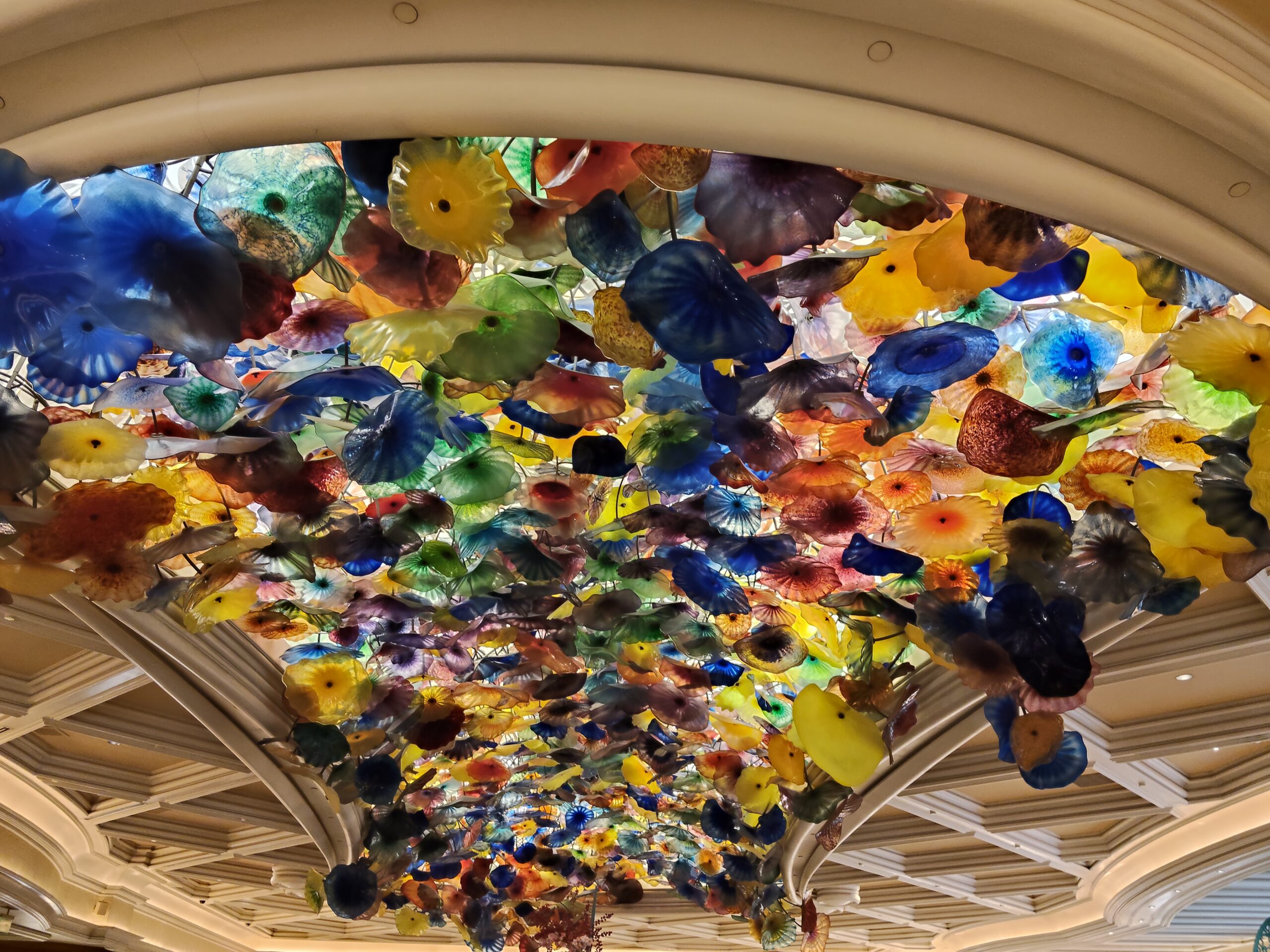
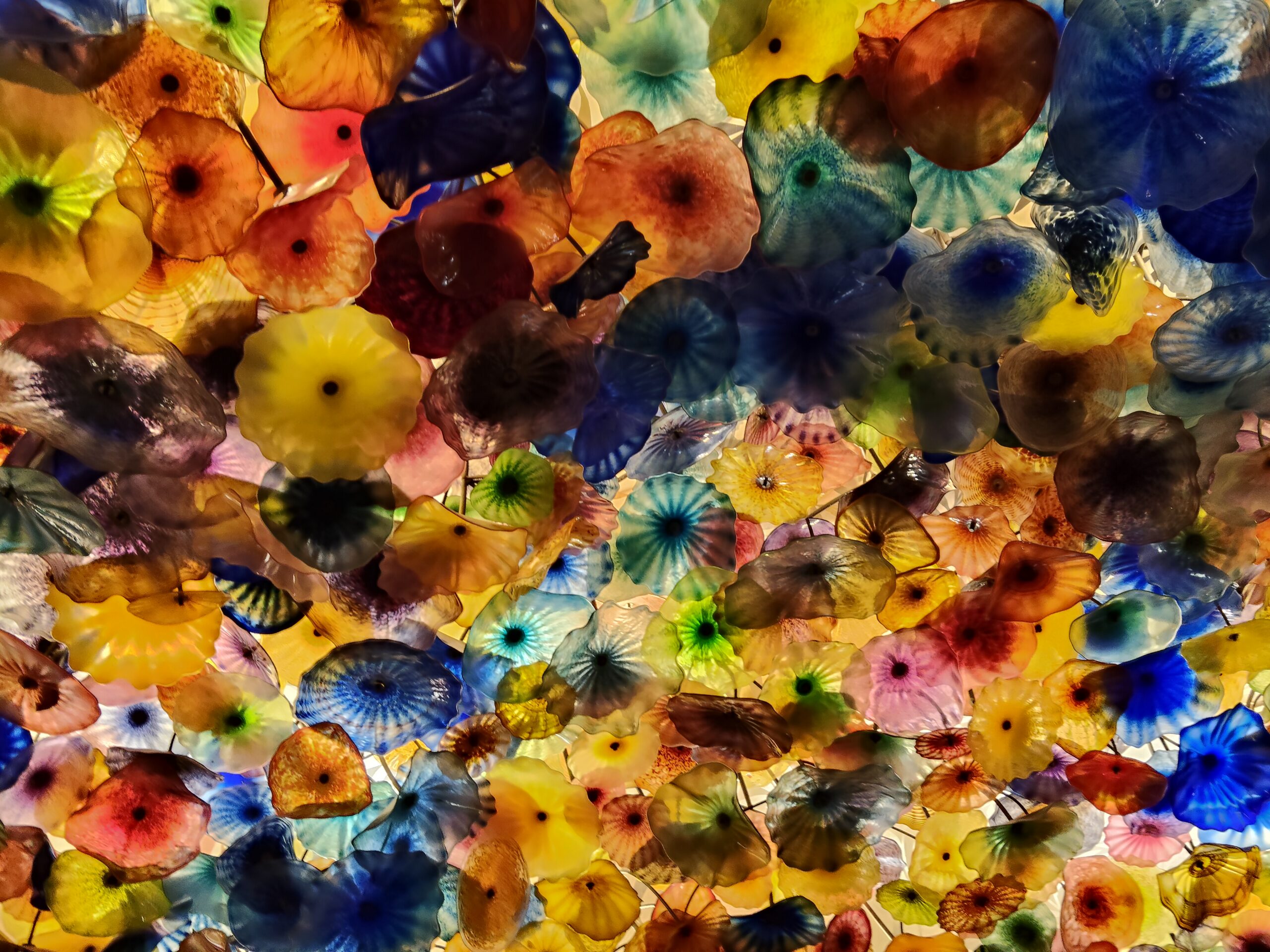
One of the first things that catches your eye inside is the ceiling — the famous glass installation overhead, a river of colour made from hundreds of blown glass pieces. From below, it’s mesmerising. People stop mid-walk, tilt their heads back, and stare. It’s art, but it’s also distraction. Your sense of scale shifts. Time stretches slightly. You’re no longer thinking about where you’re going next — you’re just there. That matters.
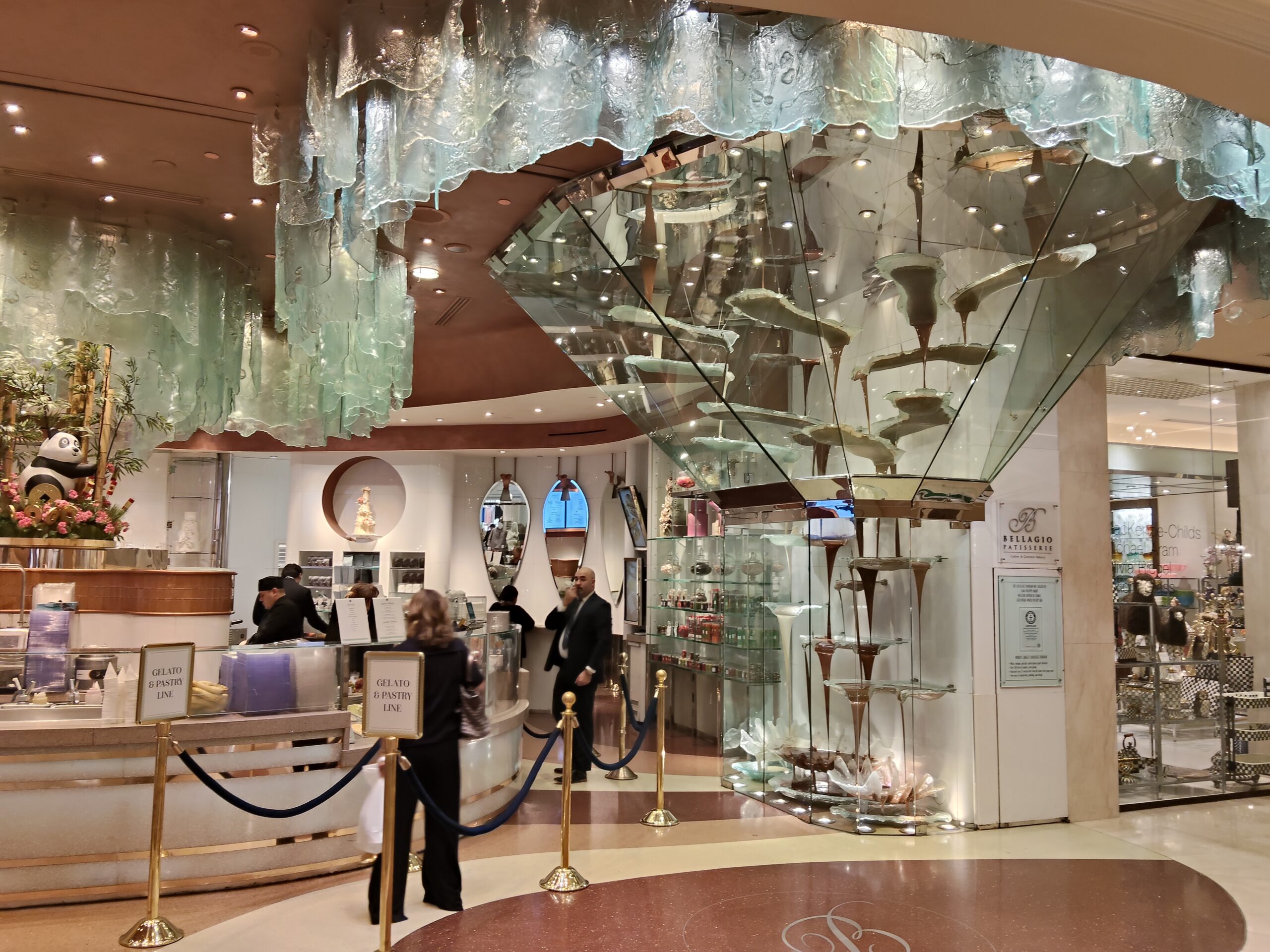
As I moved further in, I passed the chocolate fountain — a towering, slow-moving display of chocolate flowing in controlled sheets. It’s impressive, almost absurd in its scale. And again, that’s intentional. Bellagio excels at showcasing abundance that feels elegant rather than excessive. Nothing screams at you. Everything whispers, we have more than enough.
From a casino psychology perspective, this is powerful. When a place projects calm abundance, it lowers resistance. You don’t feel like you’re being sold to. You feel like you’re being invited.
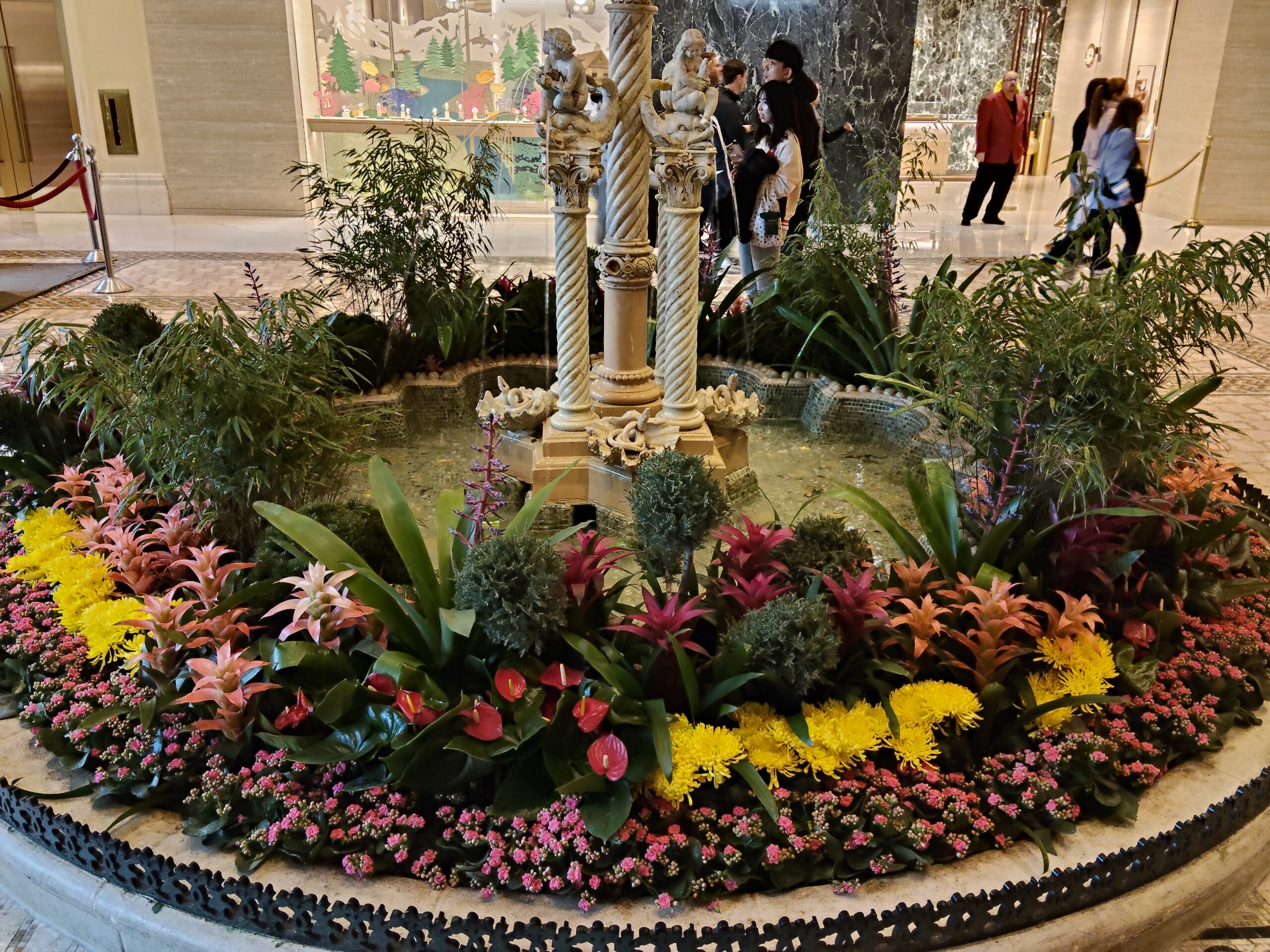
The conservatory reinforces this even further. Seasonal displays, dense plantings, colour everywhere, water features tucked into the space. It’s alive, but controlled. Nothing is random. Every flower is placed. Every path guides you gently through. People linger here longer than they probably intend to. They take photos. They slow down. They soften. And a softened guest is a compliant guest.
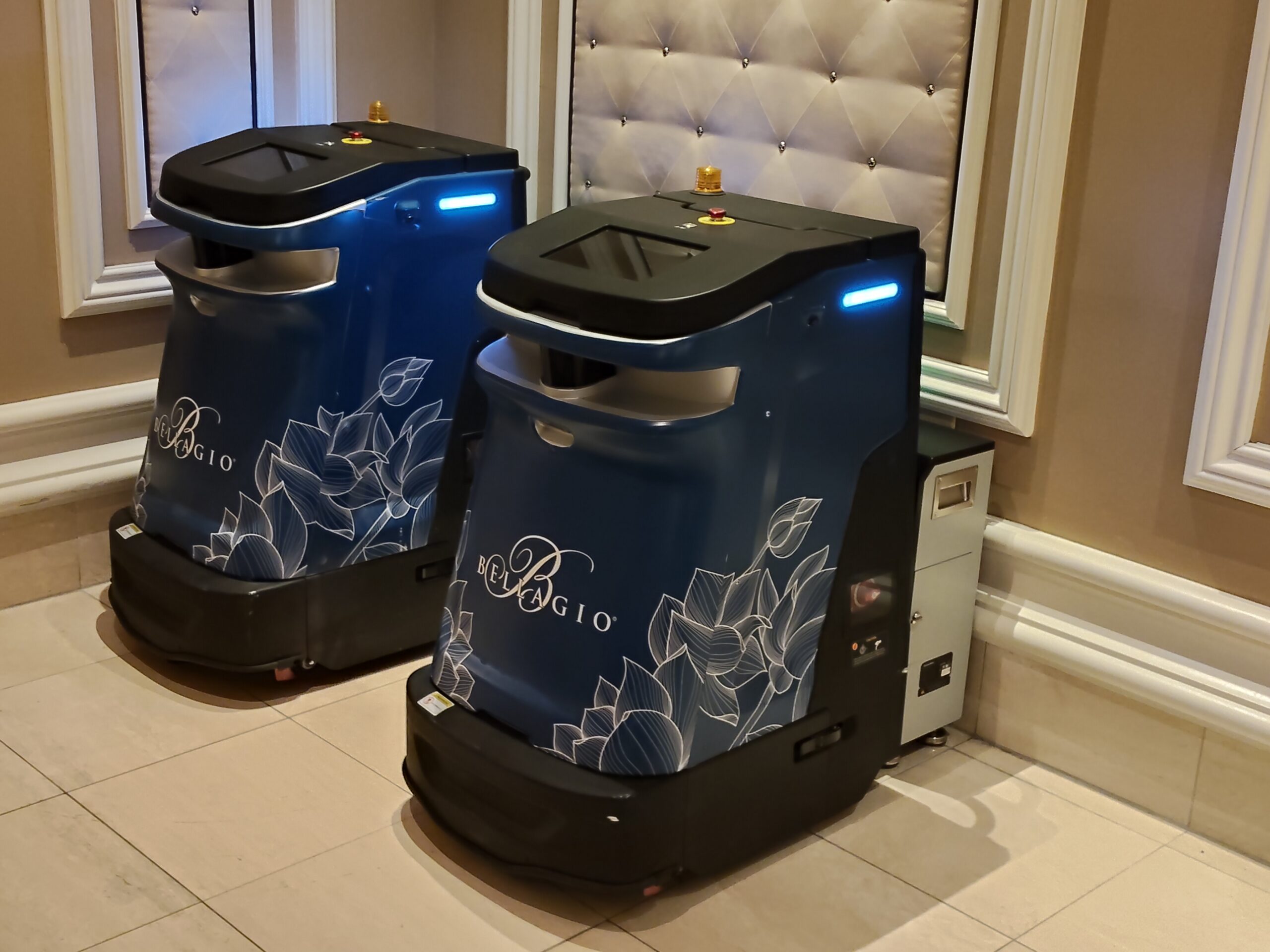
What really stood out to me this time, though, wasn’t just the grandeur — it was the efficiency humming quietly underneath it all. Tucked away near the edges were robotic vacuum cleaners, docked neatly against the walls, branded and styled to blend in. They work silently, methodically, cleaning vast stretches of floor without human presence. That detail says a lot.
Bellagio isn’t just about spectacle. It’s about systems. Behind the beauty is an operation that runs with precision, cost control, and minimal friction. The same mindset applies to the gaming floor. Nothing here is accidental. The house edge doesn’t need to be aggressive when volume, reputation, and time-on-device do the work instead.
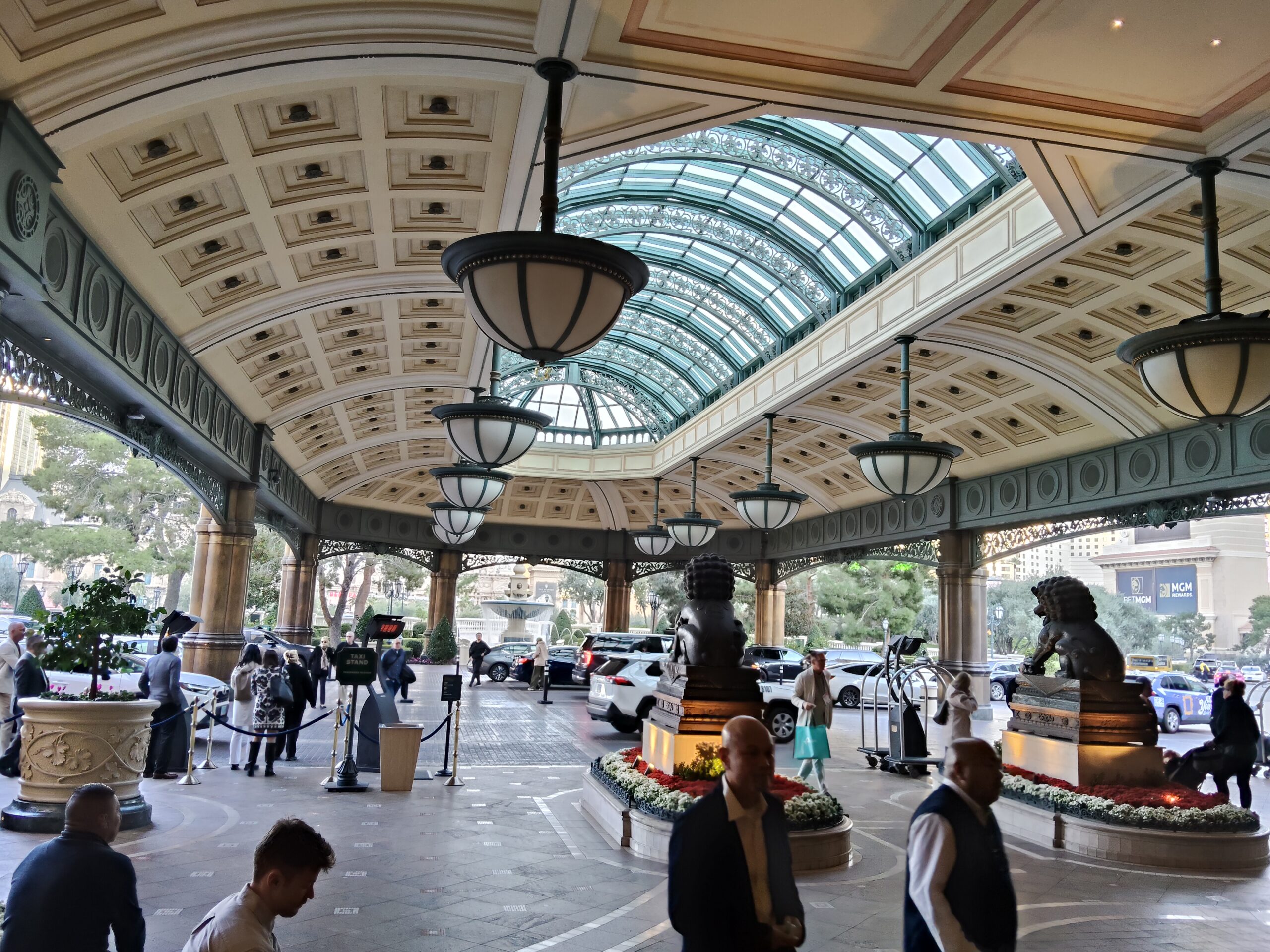
Outside again, under the covered porte cochère, the rhythm continues. Cars arrive and depart in steady waves. Guests check in, check out, wait for rides. The architecture frames everything so that movement feels orderly, almost ceremonial. Even departures feel composed. That’s something Bellagio does extremely well: it manages emotion.
You don’t leave feeling overstimulated or exhausted. You leave feeling like you’ve experienced something refined. And that feeling often translates into longer stays, repeat visits, and — eventually — money left behind at tables or machines that never felt hostile in the first place.
Walking through Bellagio without gambling is actually one of the best ways to understand it. When you’re not focused on playing, you start noticing how much effort goes into shaping mood, pacing, and perception. You see how the casino earns not just through games, but through environment.
For anyone trying to “beat the casino,” this is an important lesson. Not every casino is trying to beat you through aggression or pressure. Some do it through comfort. Through beauty. Through patience. Bellagio doesn’t rush you. It doesn’t need to.