Haus of Gaga — Art, Identity, and a Pause From the Casino Floor
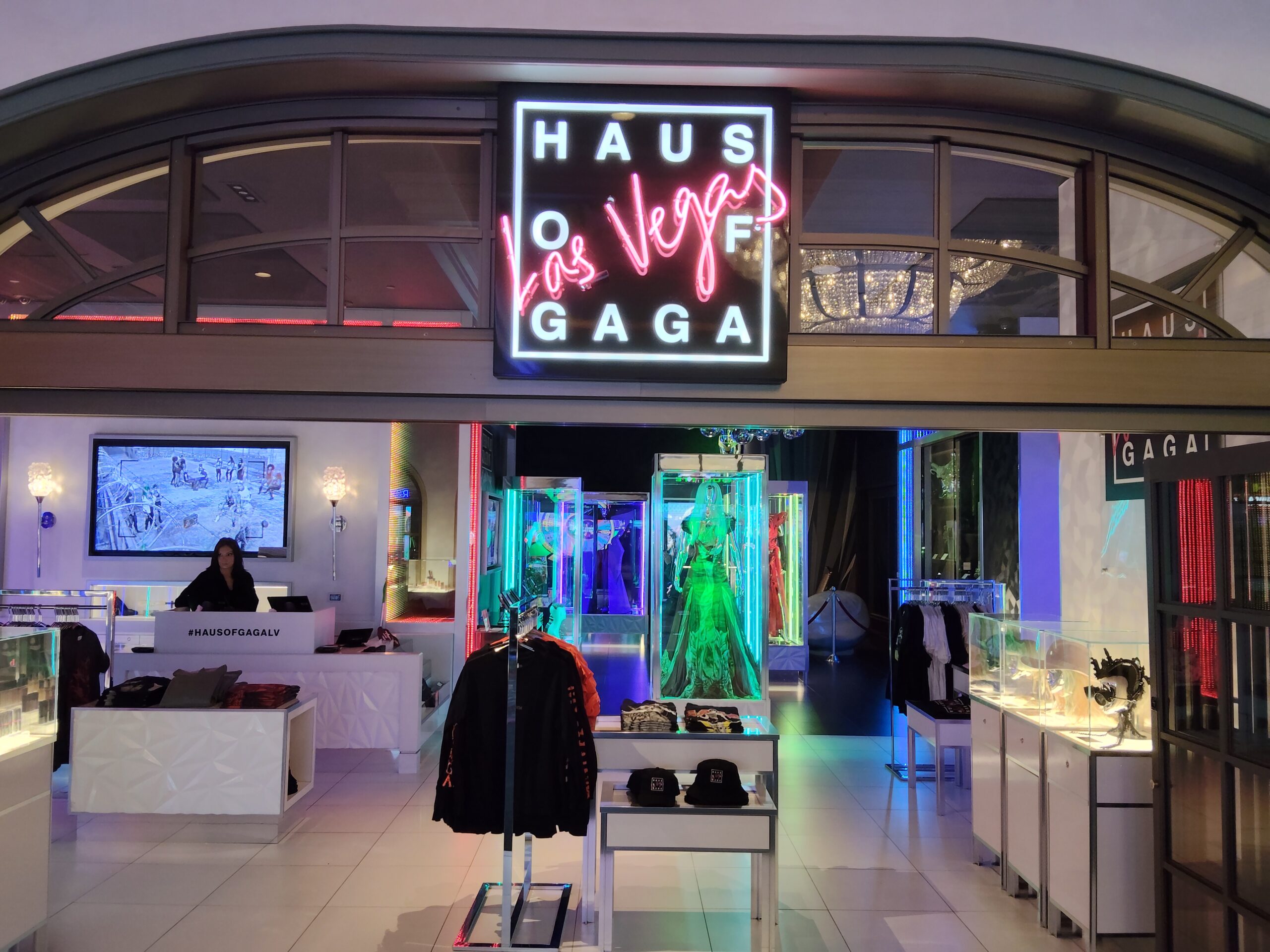
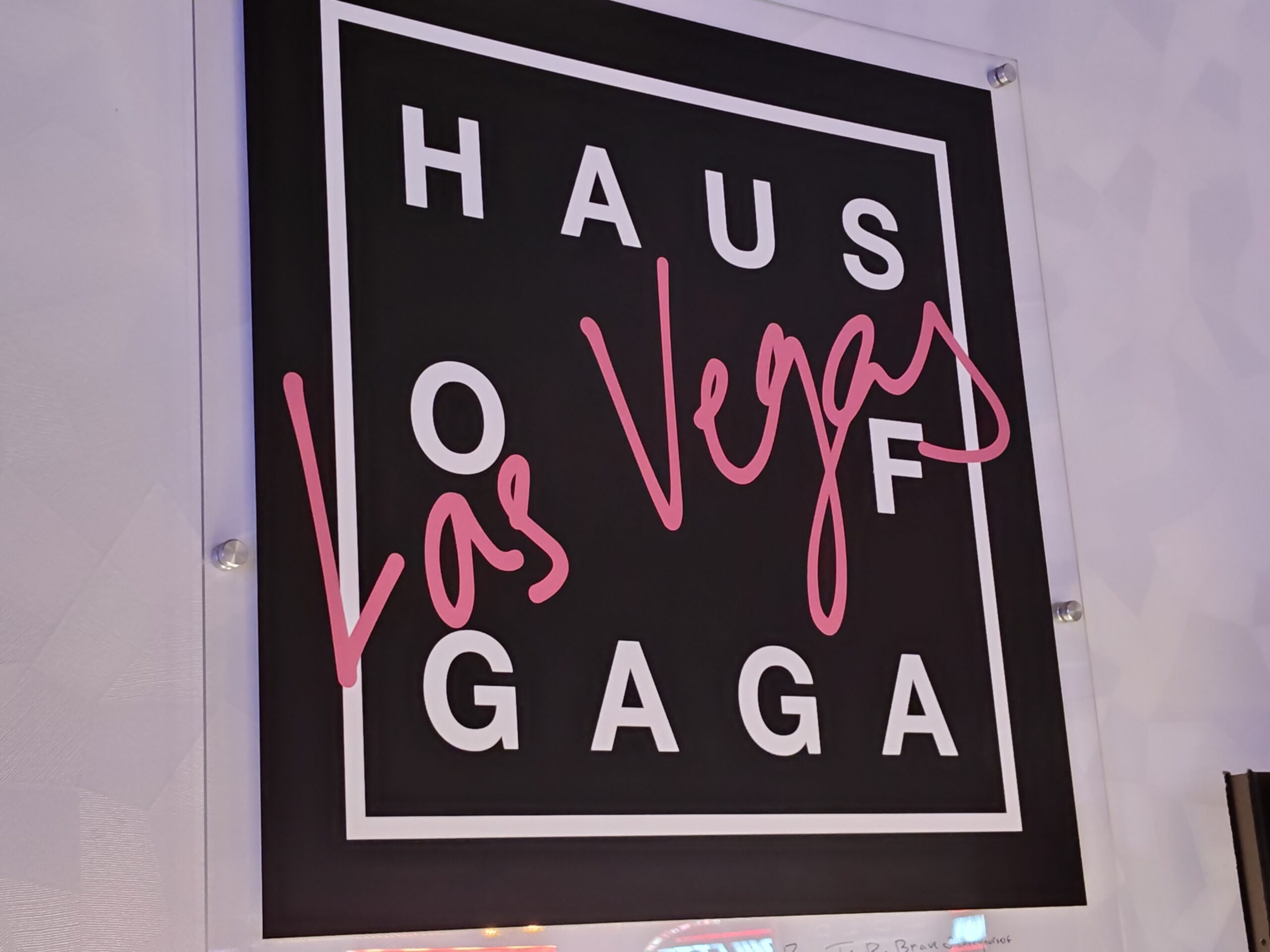
Tucked inside Park MGM, just off the casino floor, is Haus of Gaga — a space that feels less like a shop and more like a quiet gallery you accidentally wander into while everything else around you is trying to get your attention. I wasn’t planning to spend much time there. I certainly wasn’t planning to buy anything. But once inside, I slowed down almost immediately.
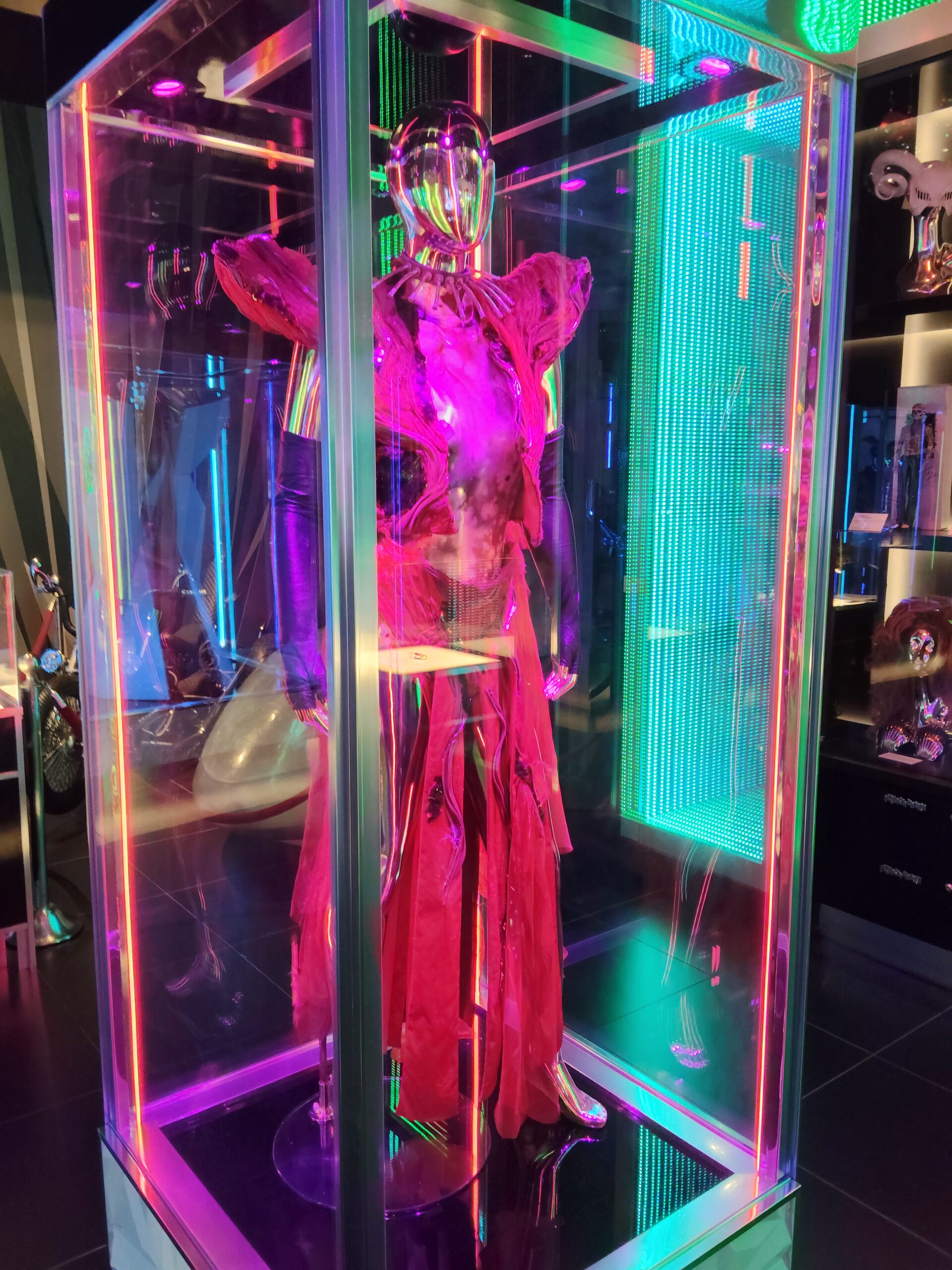
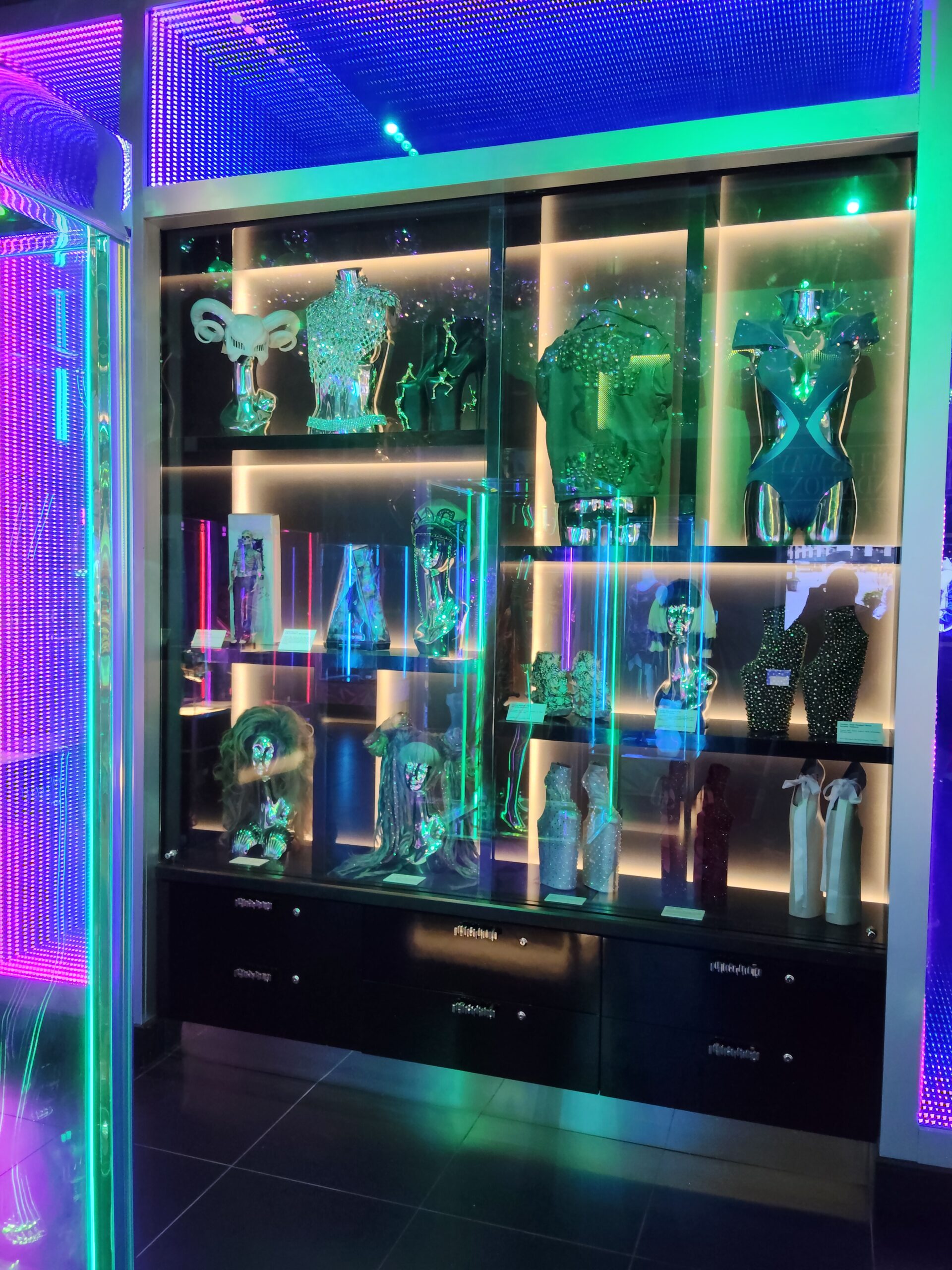
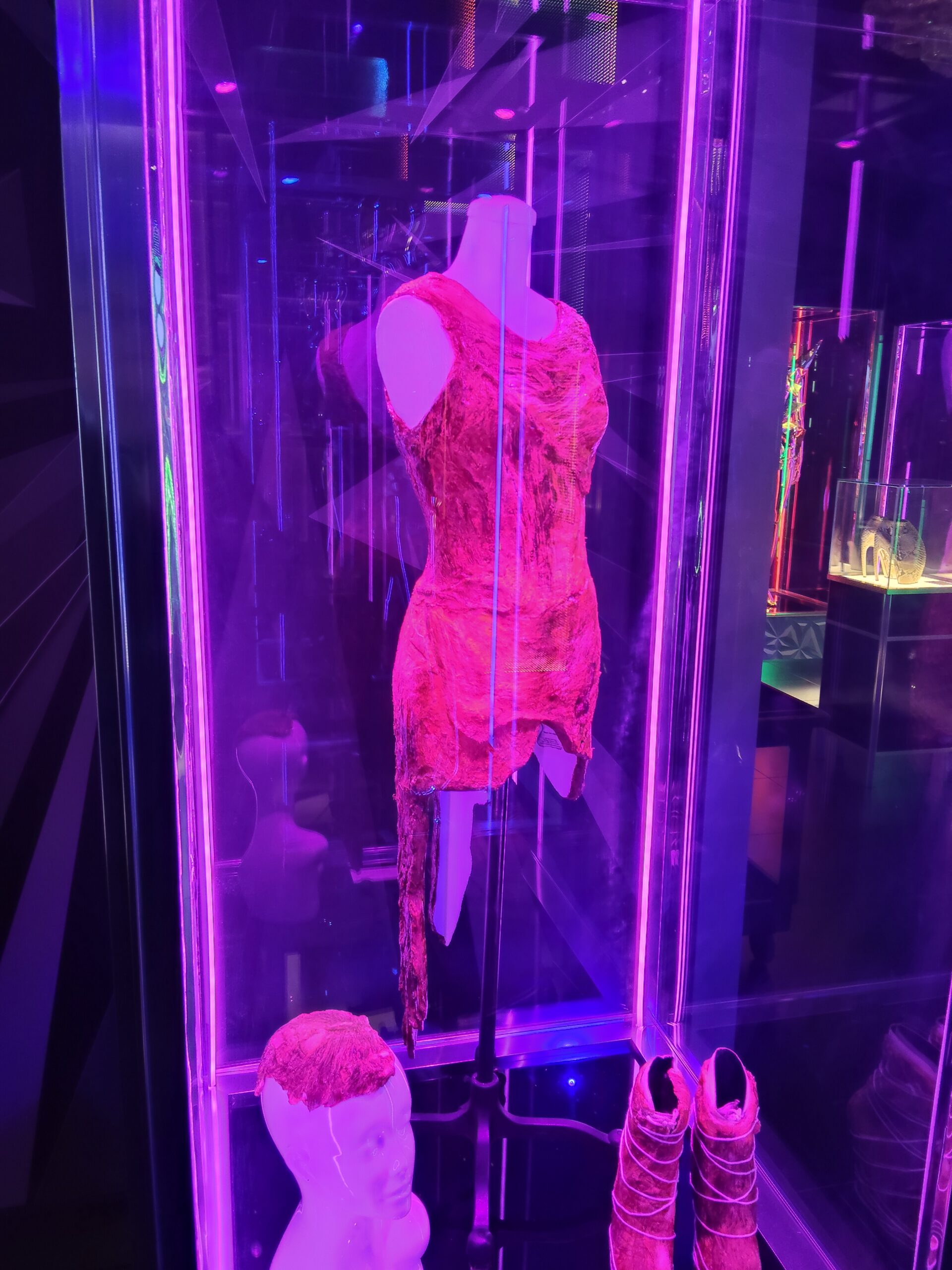
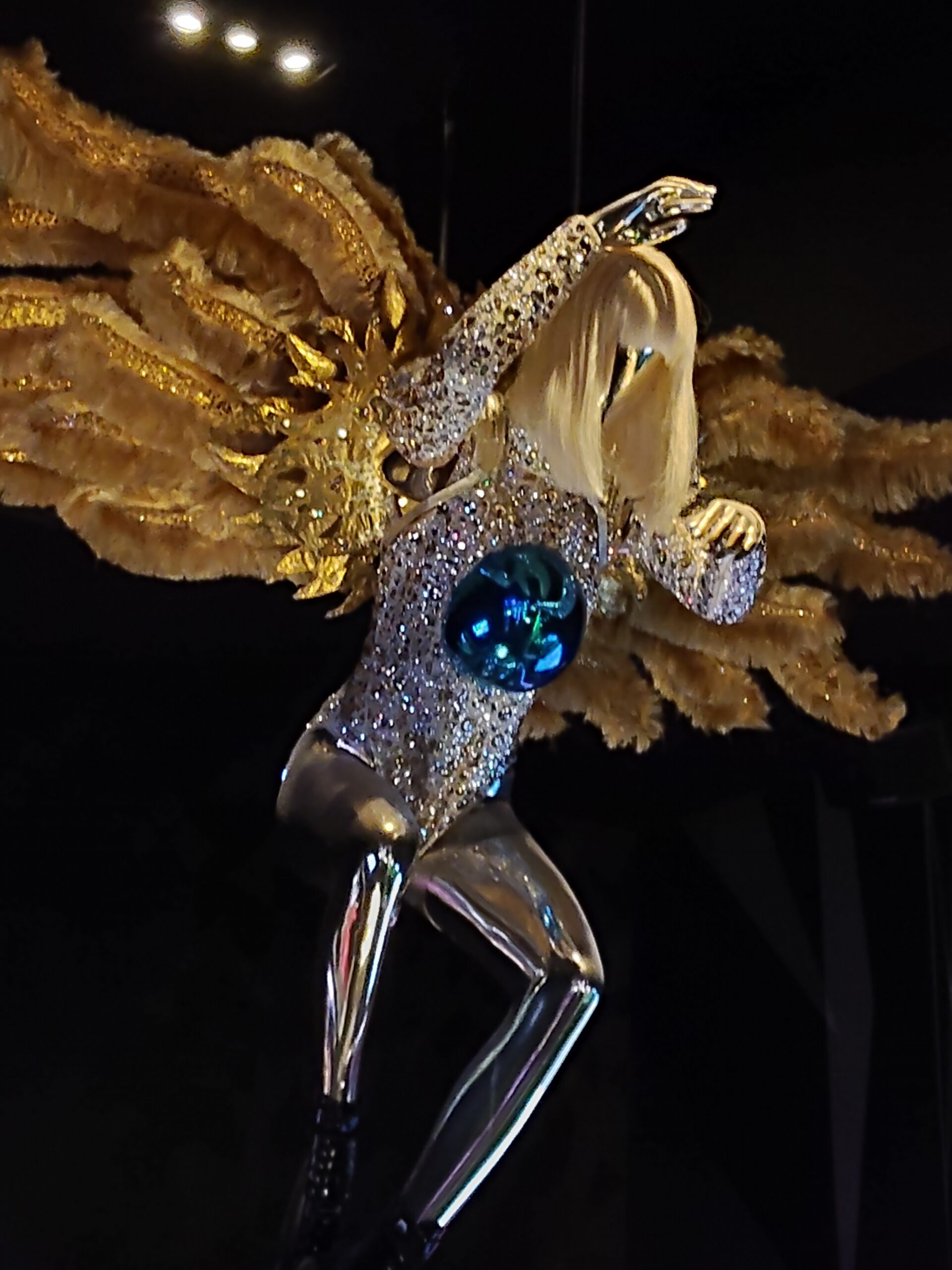
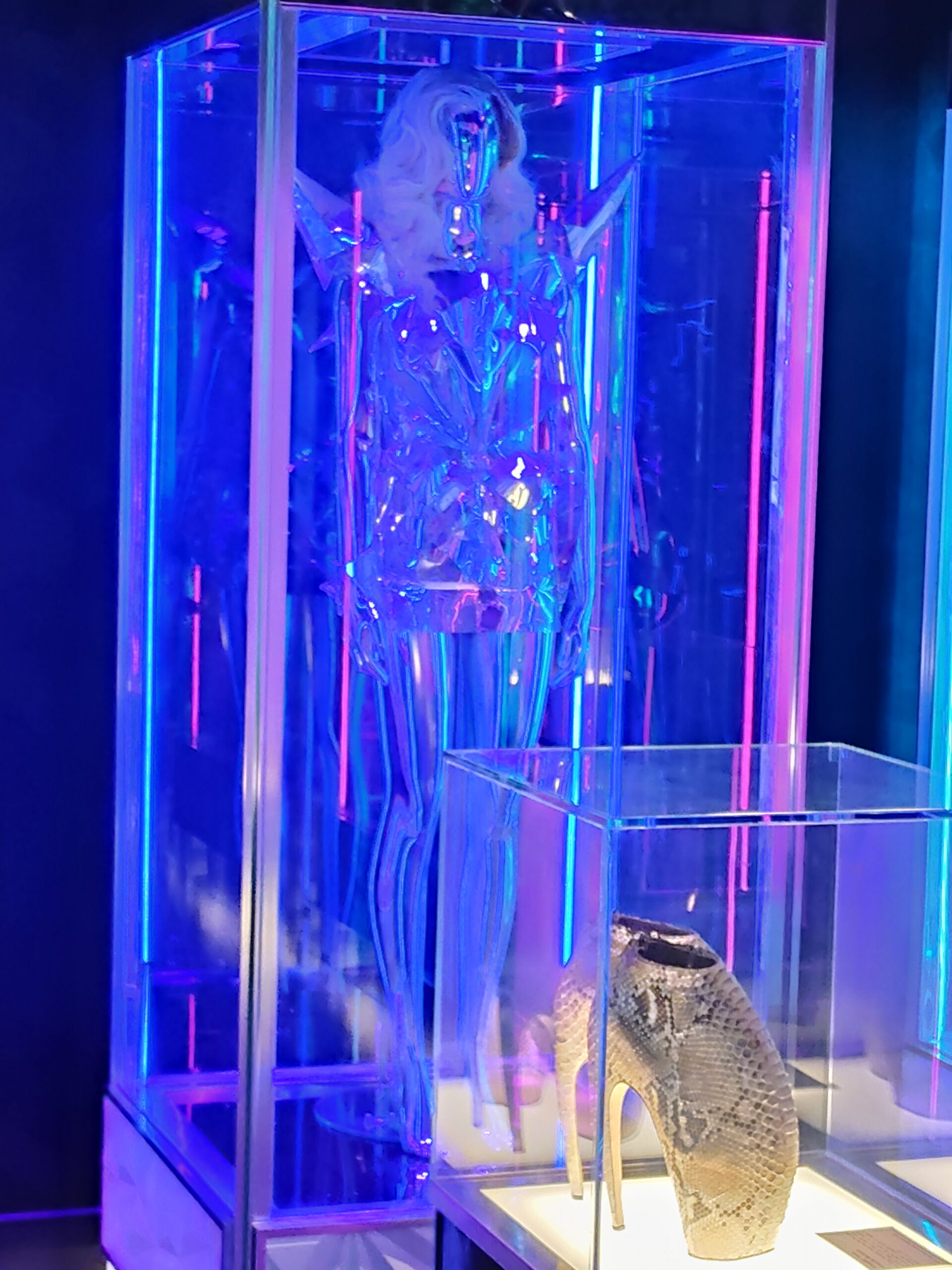
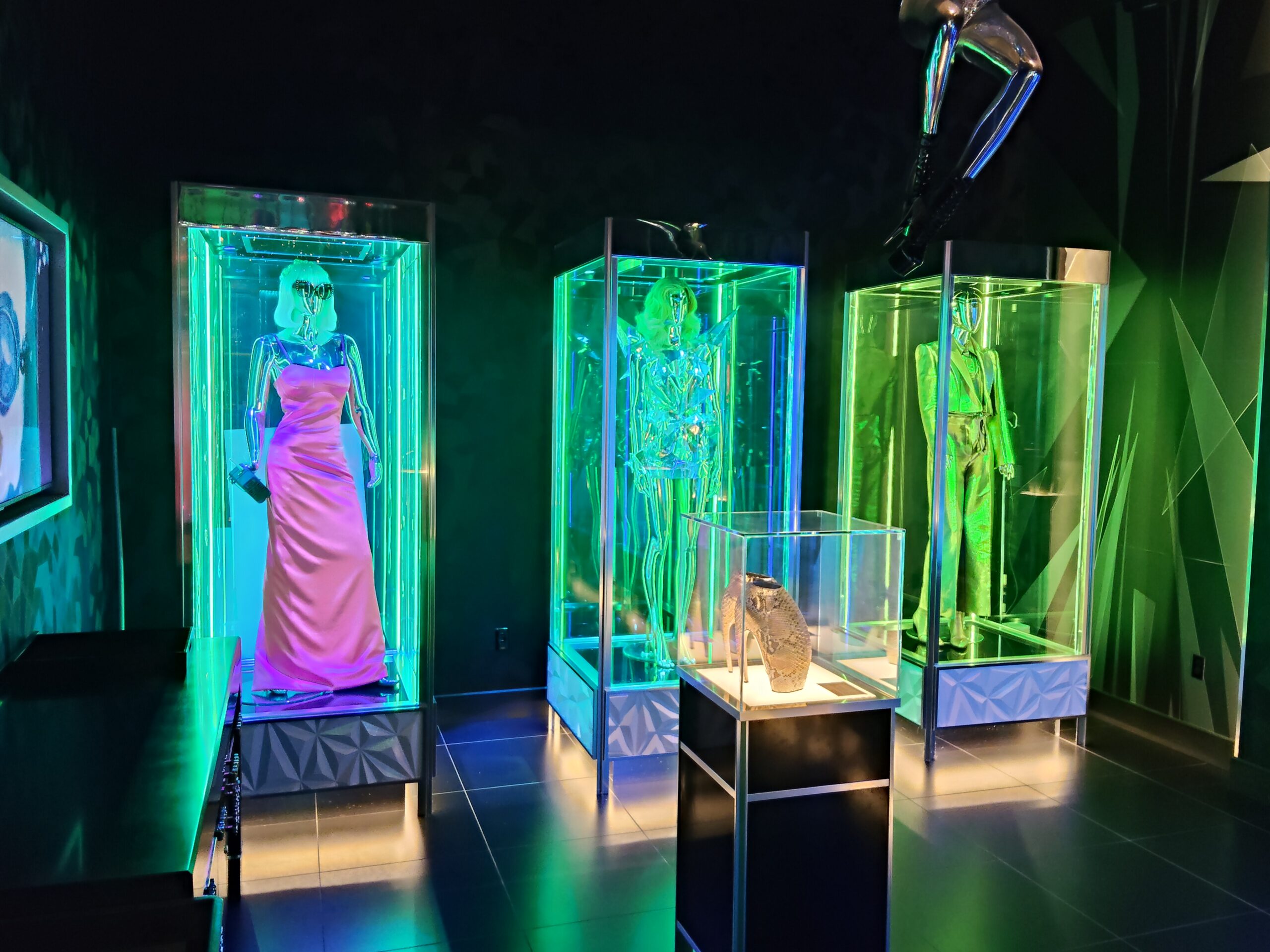
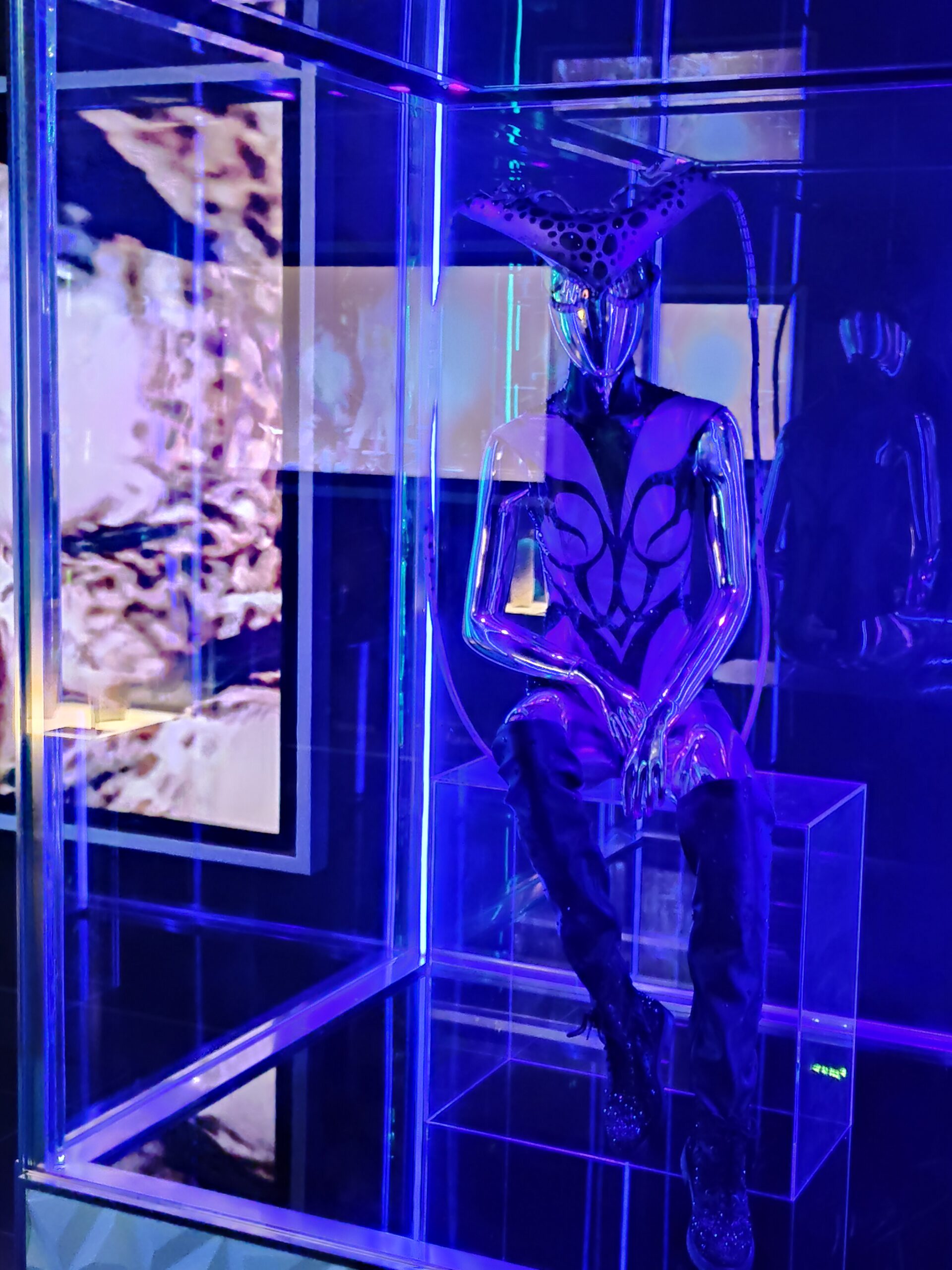
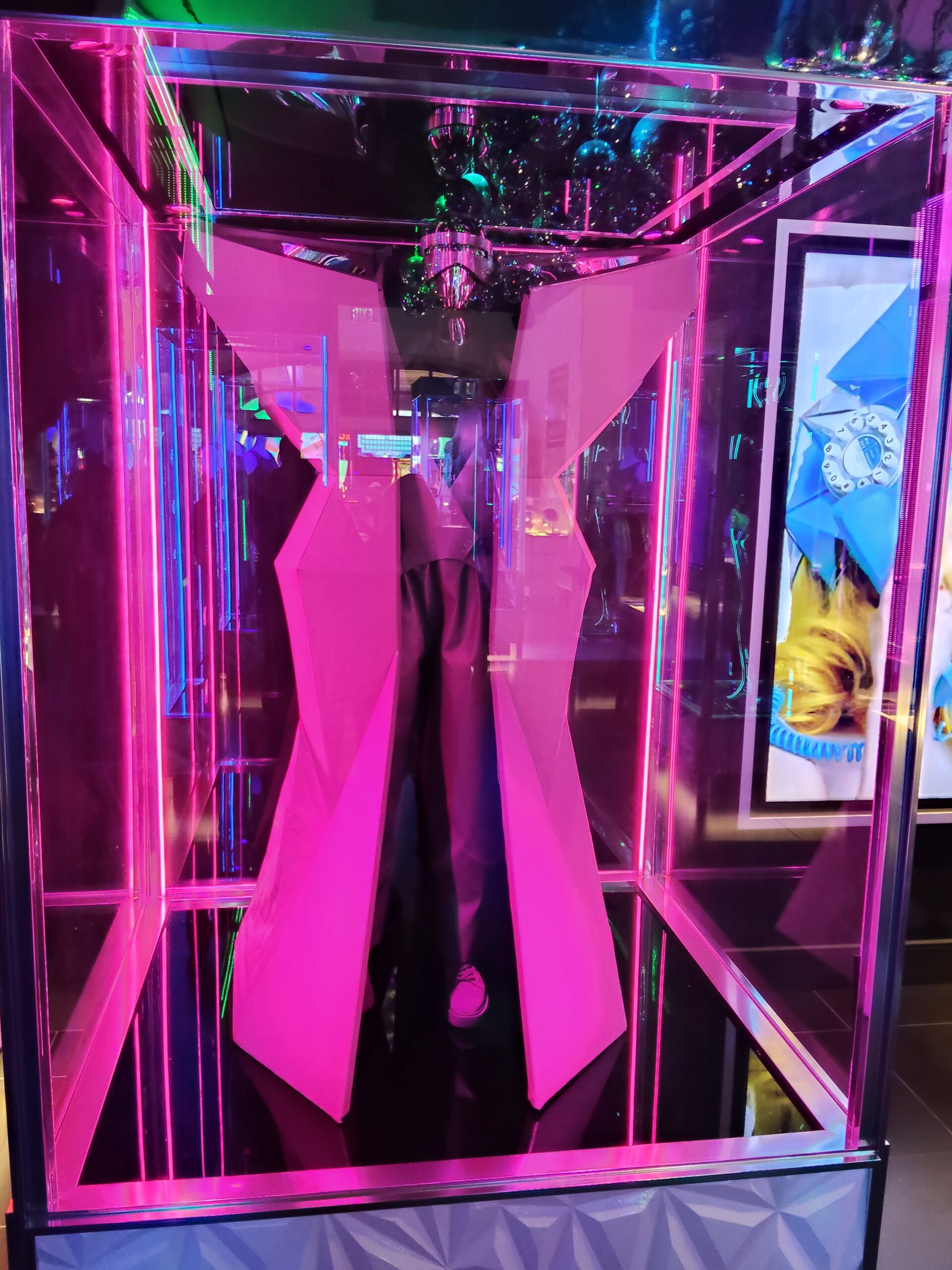
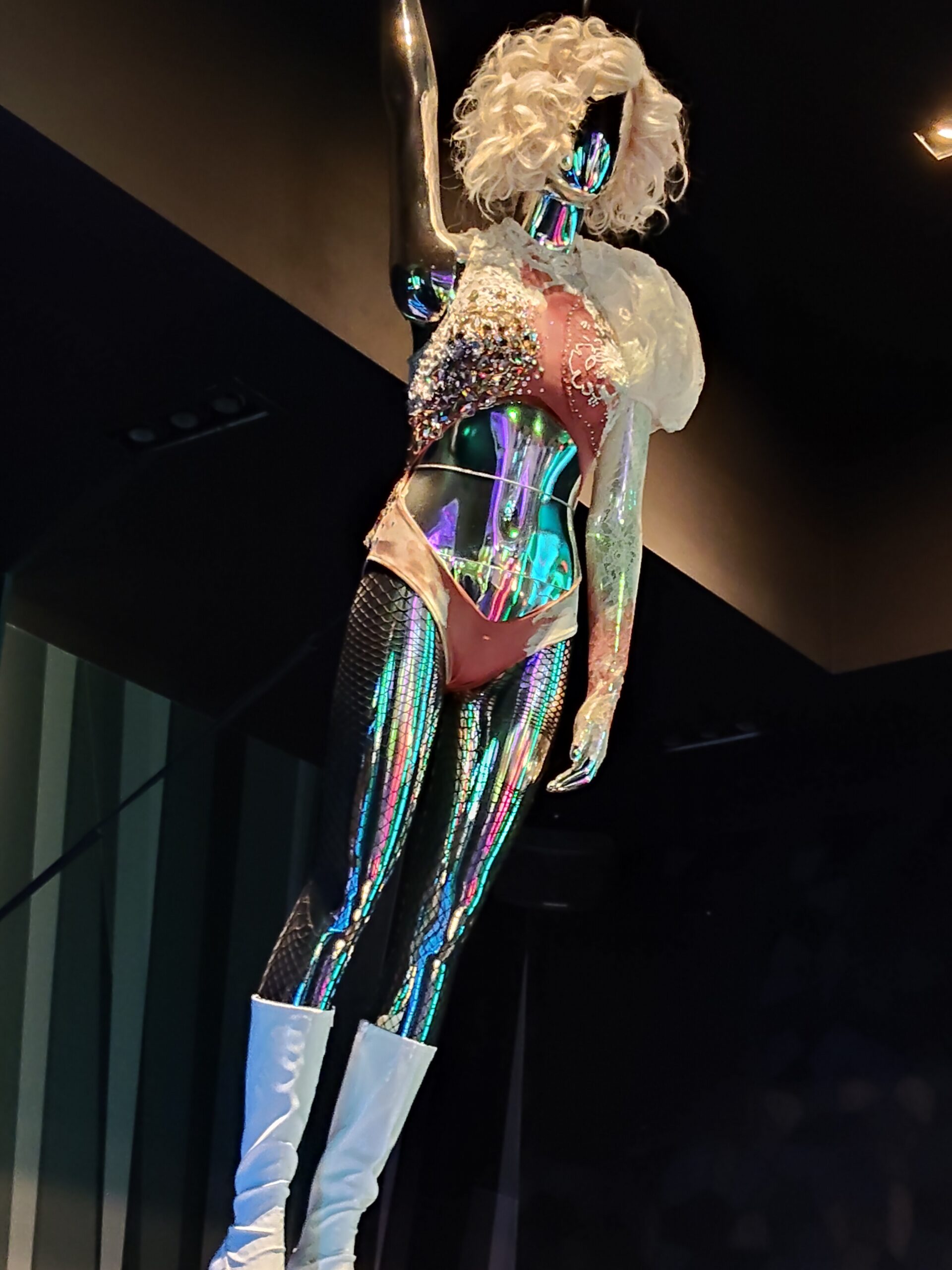
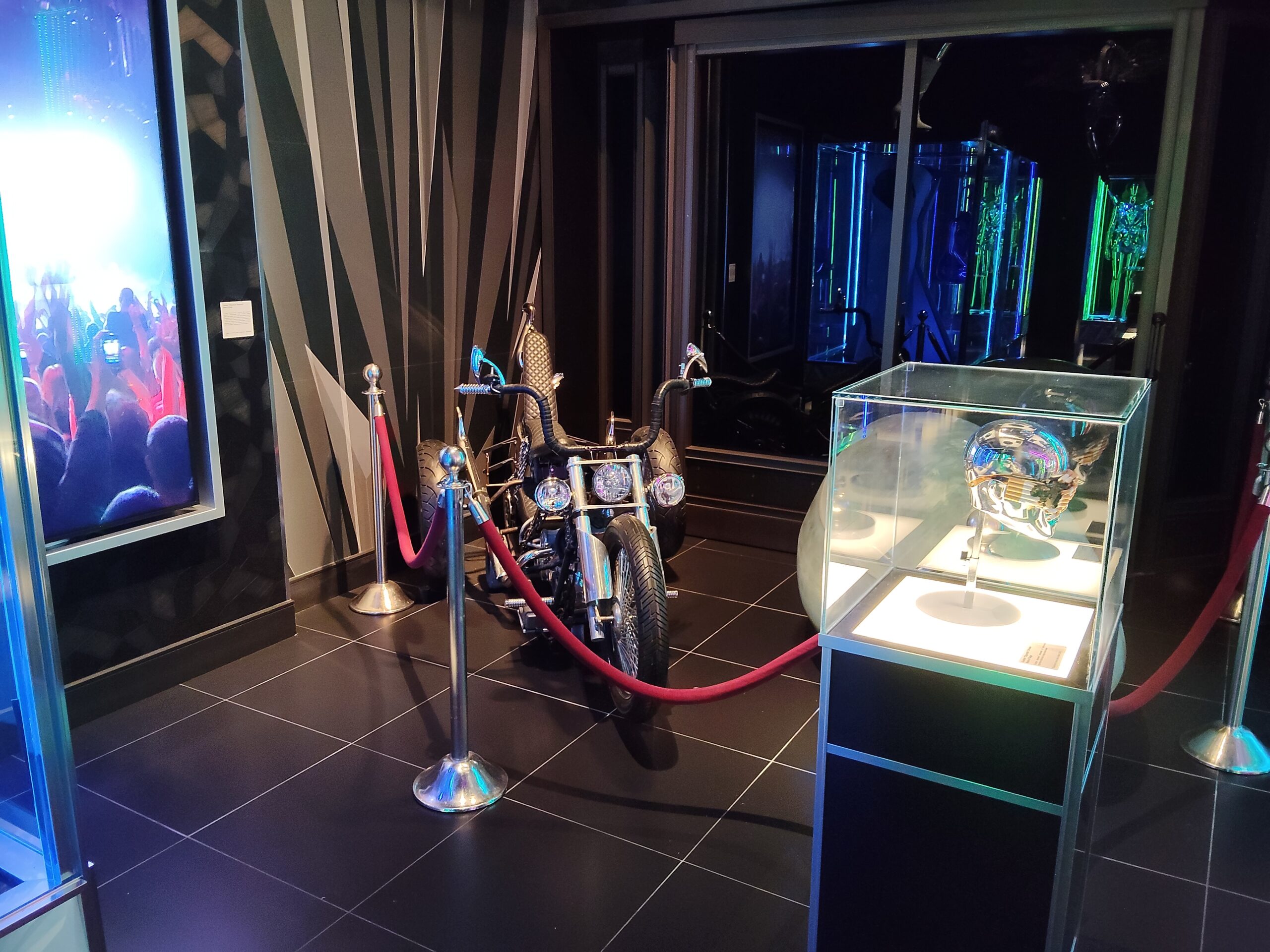
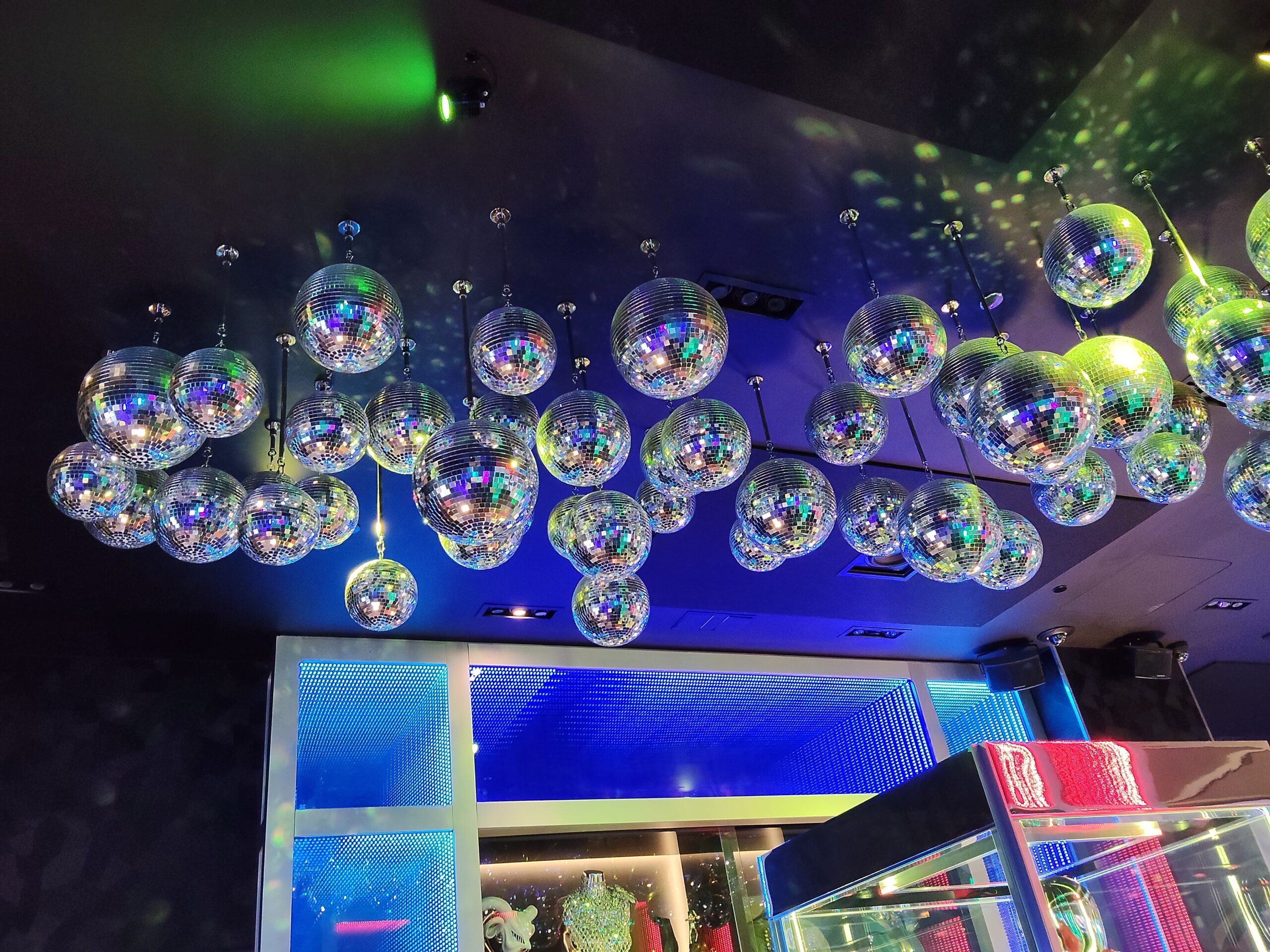
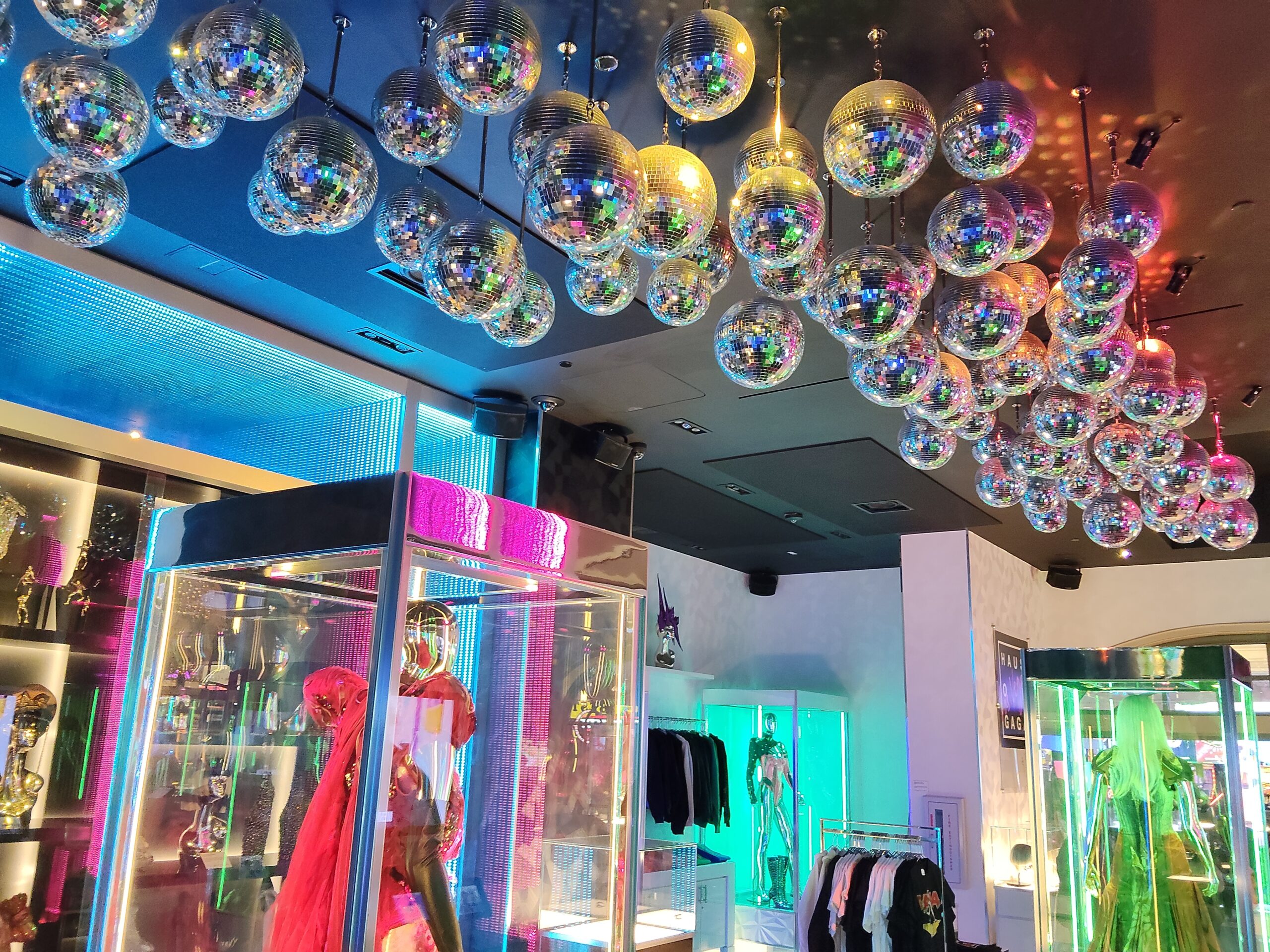
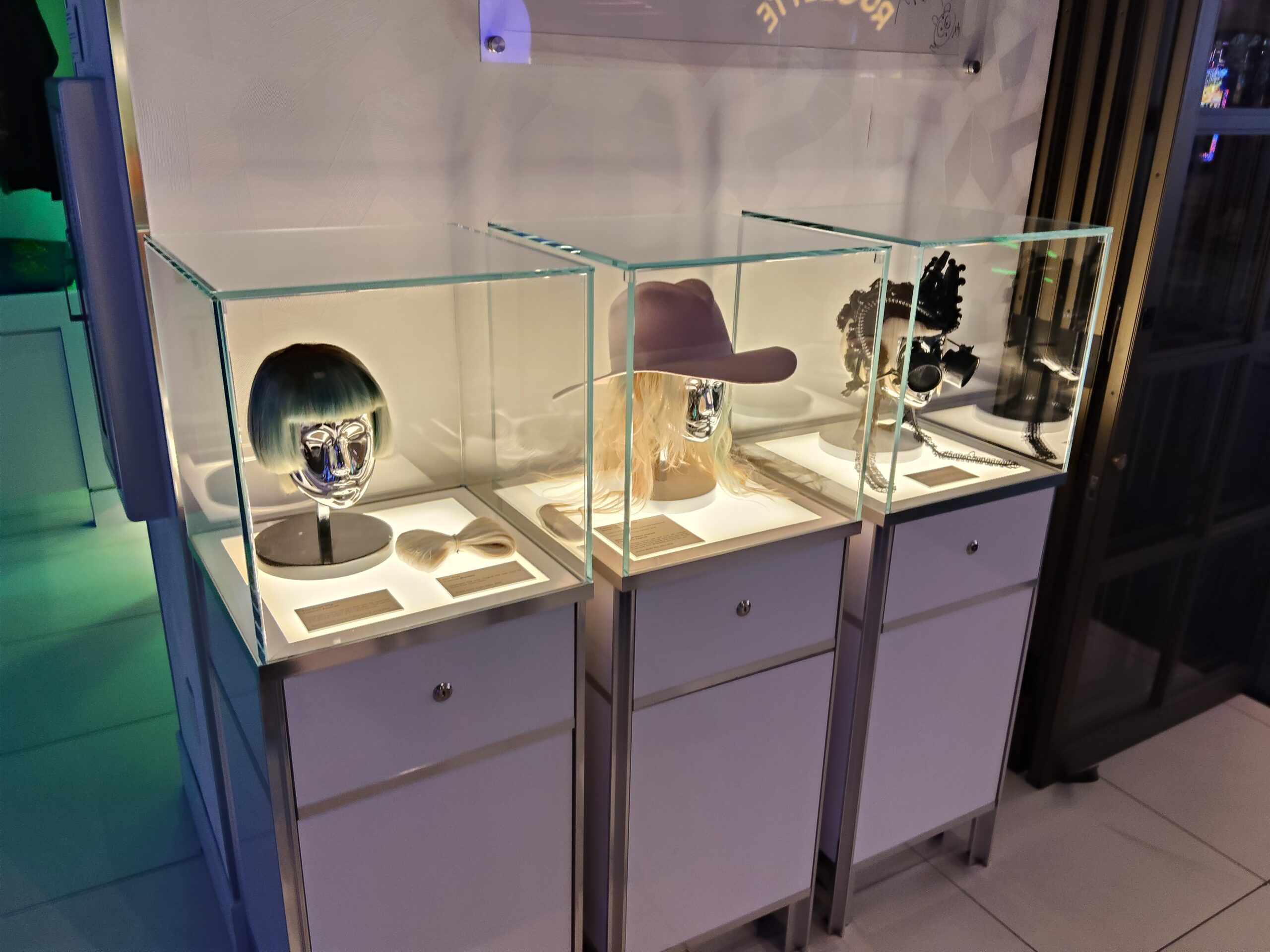
Haus of Gaga is visually loud in colour but emotionally calm in tone. Glass cases glow with neon blues, greens, pinks, and purples, each one holding a piece of Lady Gaga’s creative history — costumes, masks, shoes, sculptural outfits that look like they belong as much in a modern art museum as they do in Las Vegas. The lighting is deliberate. Reflective surfaces multiply the objects, making you feel like you’re walking through layers of persona rather than a simple retail space.
What struck me most was how non-commercial it felt, despite technically being a store. Yes, there’s merchandise available. Yes, you can buy things. But the layout doesn’t rush you toward a counter. There’s no hard sell. No pressure. Instead, you’re invited to look first — to observe, to take it in, to appreciate the work before the price tag.
Each costume feels like a chapter rather than an outfit. Some are dramatic and confrontational, others delicate or almost vulnerable. Seen up close, they stop being “celebrity clothing” and start reading as physical evidence of risk-taking — fabric shaped by intention, emotion, and reinvention. Even if you’re not a die-hard fan, it’s hard not to respect the commitment behind them.
Walking through the space, I became aware of how different the energy was compared to the casino floor just outside. The casino is about repetition and rhythm — spin, pause, repeat. Haus of Gaga is about identity. About choosing how you present yourself to the world, again and again, even when it costs something emotionally. That contrast felt intentional, whether by design or coincidence.
I noticed myself spending more time standing still than moving. Looking closely. Reading plaques. Letting the lighting and reflections do their thing. It was one of the few places in the building where time didn’t feel compressed or rushed. No sounds competing for my attention. No urgency to act.
In a city built on excess, Haus of Gaga feels surprisingly thoughtful. It doesn’t shout. It doesn’t demand. It simply exists, confident that the work speaks for itself. And in that way, it becomes something rare in Las Vegas — a pause. I didn’t buy any merchandise. I didn’t feel the need to. The experience itself was enough.
I walked back out onto the casino floor feeling slightly reset, reminded that not everything in Vegas is designed to extract something from you immediately. Some spaces are just there to be seen, felt, and left behind — intact. For a moment, the noise faded. And that alone made Haus of Gaga worth the walk.