Walking the Edges of Caesars Palace (And Why That Was Enough)
I didn’t step inside Caesars Palace this time. That wasn’t because I don’t know what’s in there, or because it didn’t interest me. It was simply a matter of time. Late afternoon light, a tight schedule, and one of those moments where you realise that sometimes walking around a casino tells you more than walking through it. So I stayed outside. And honestly, I’m glad I did.
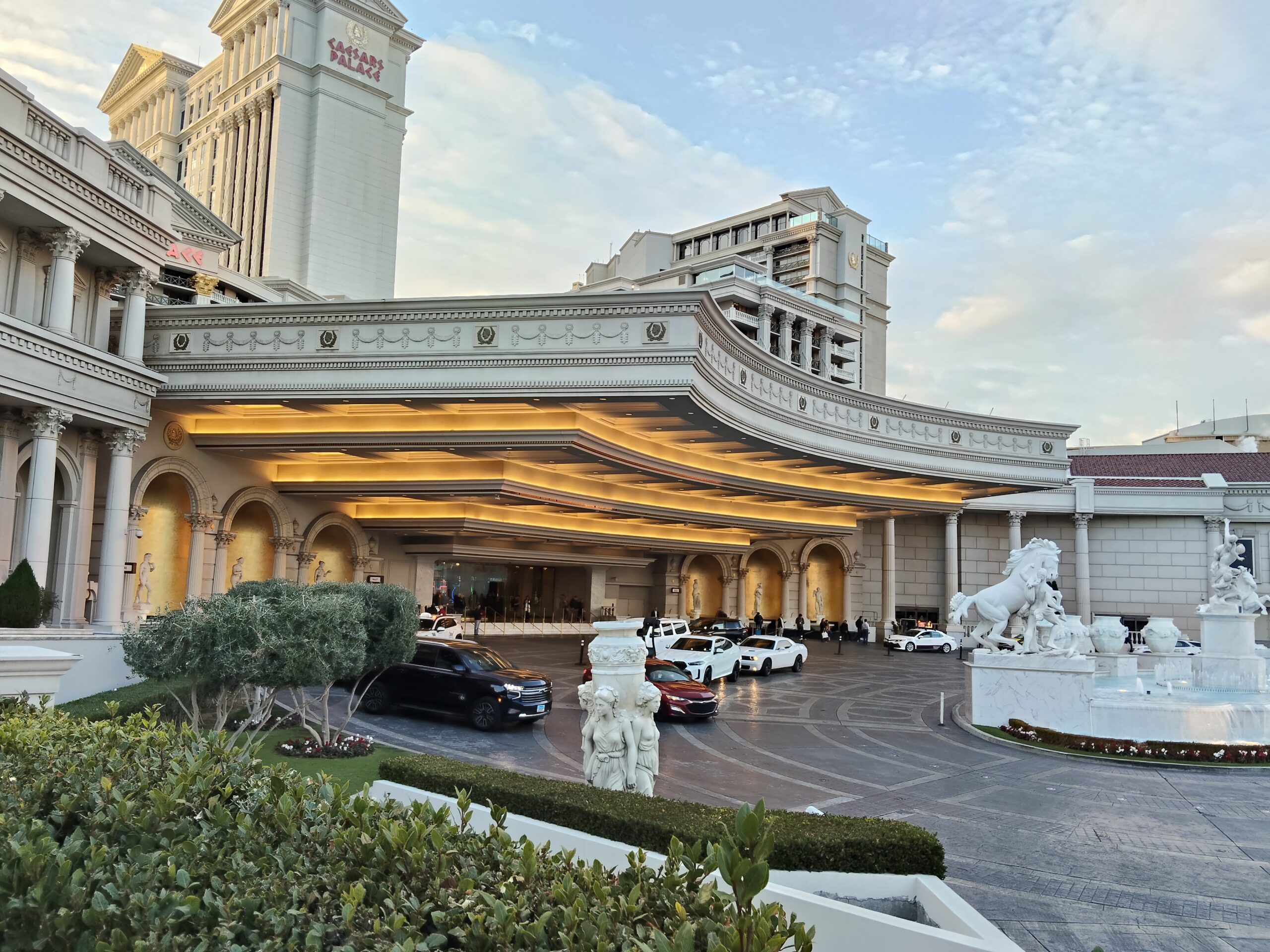
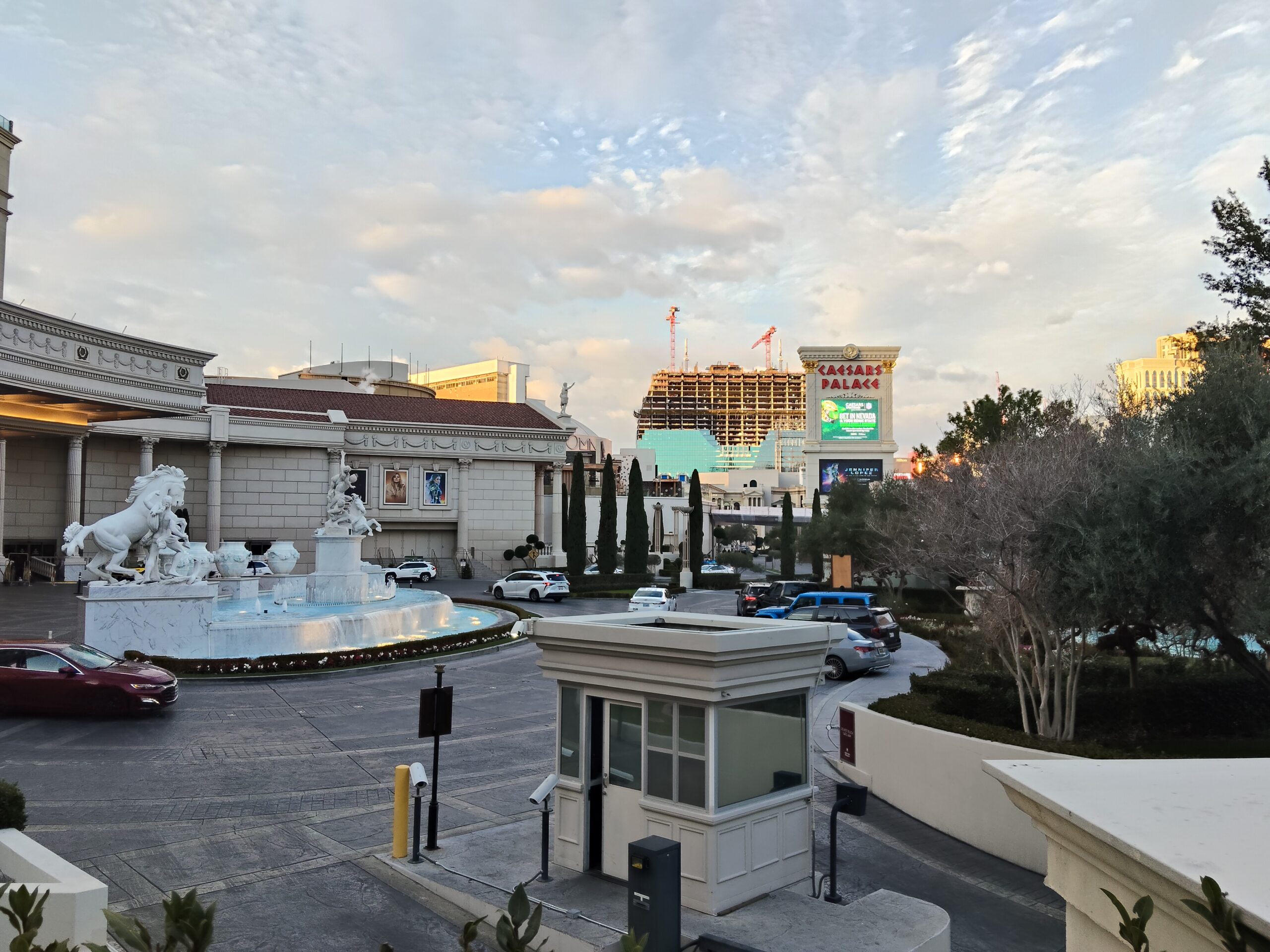
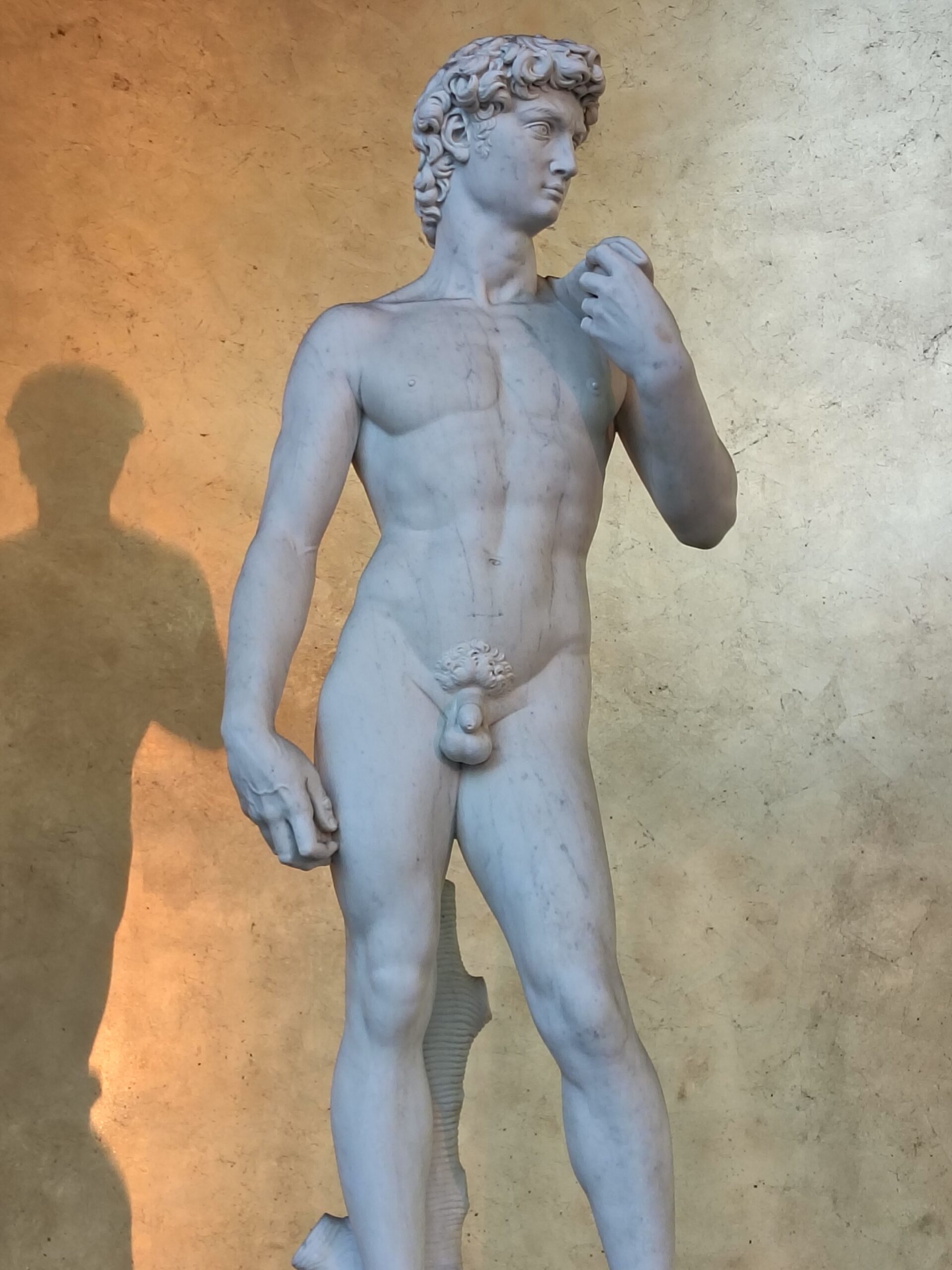
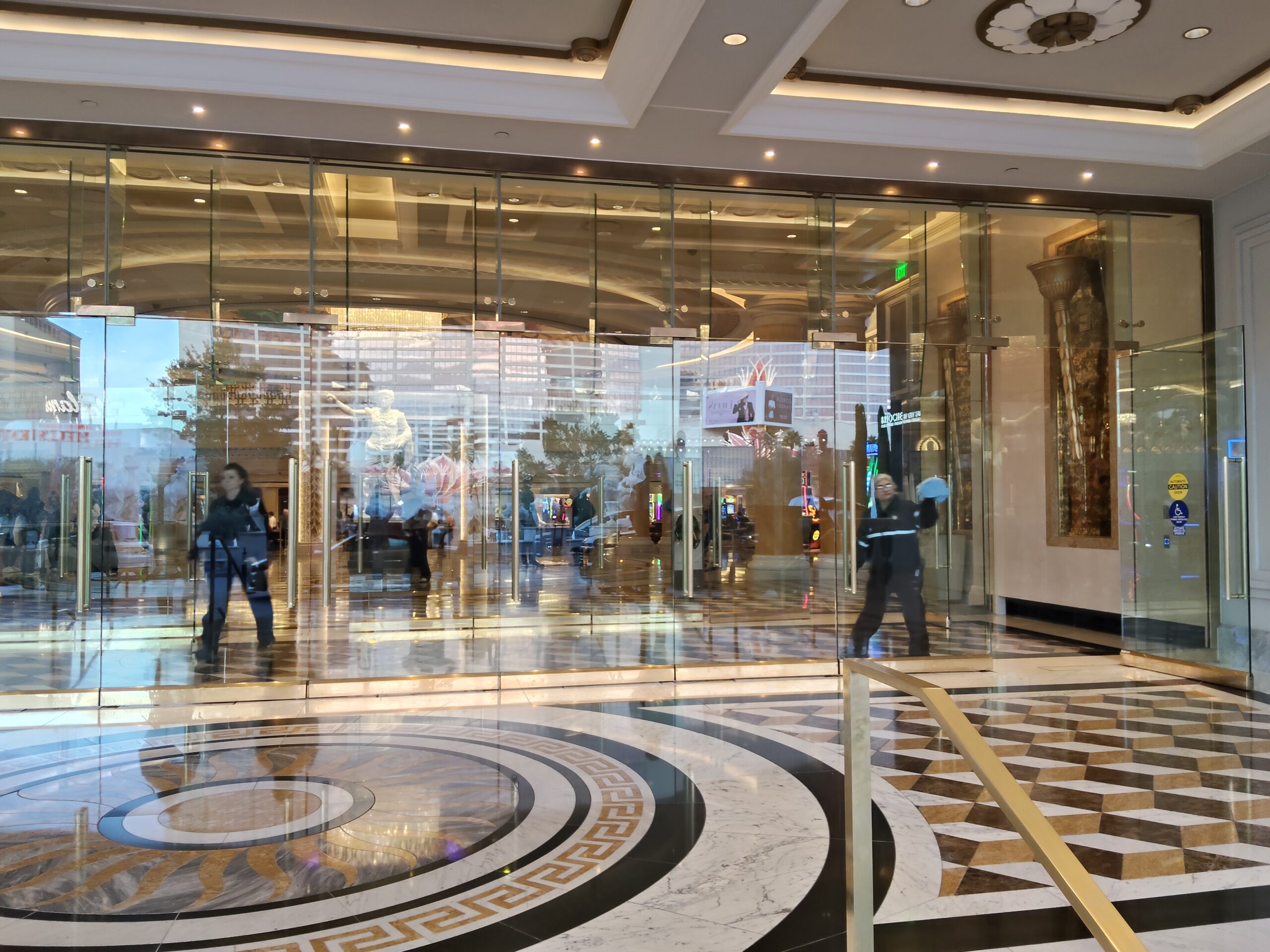
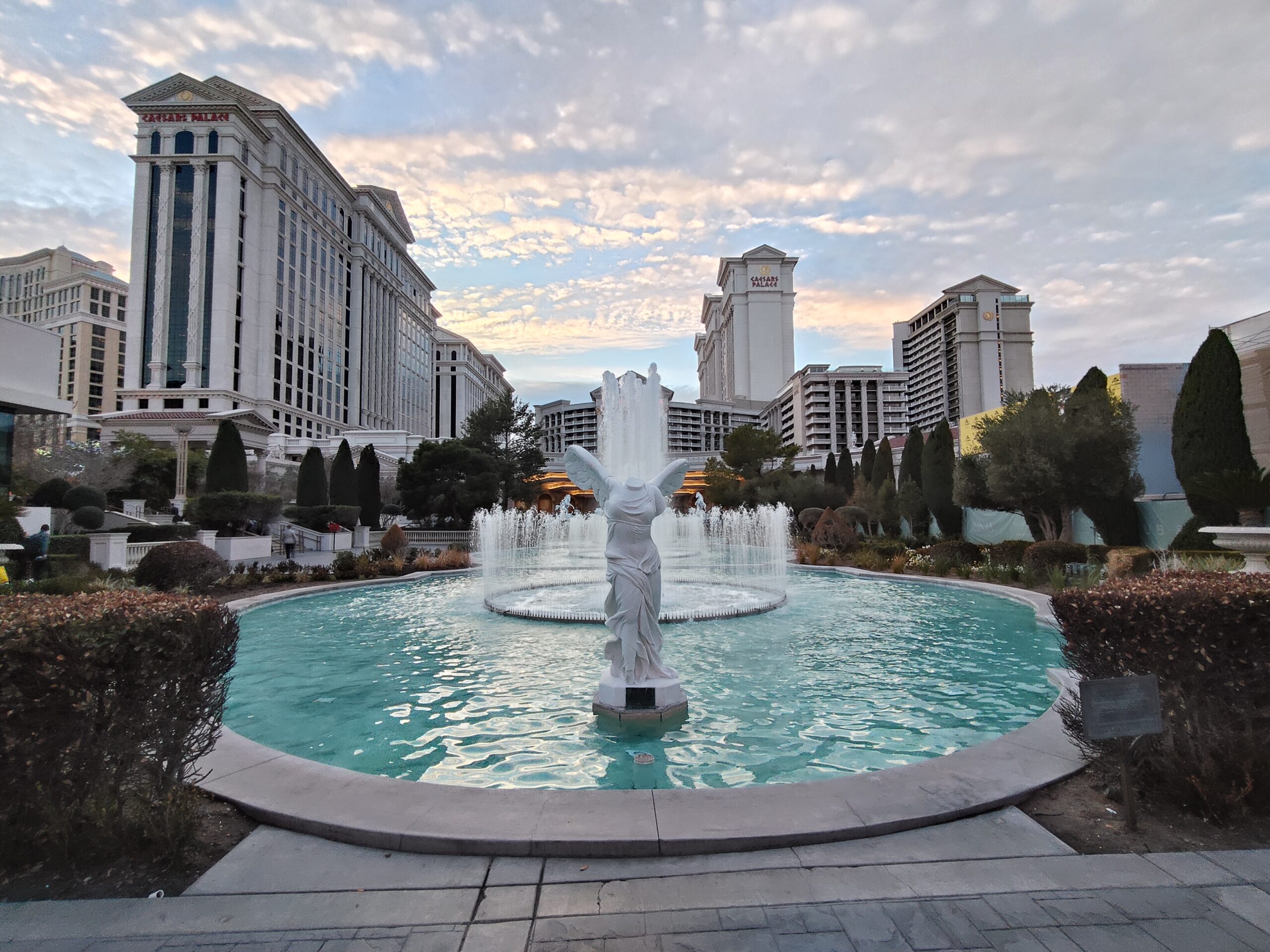
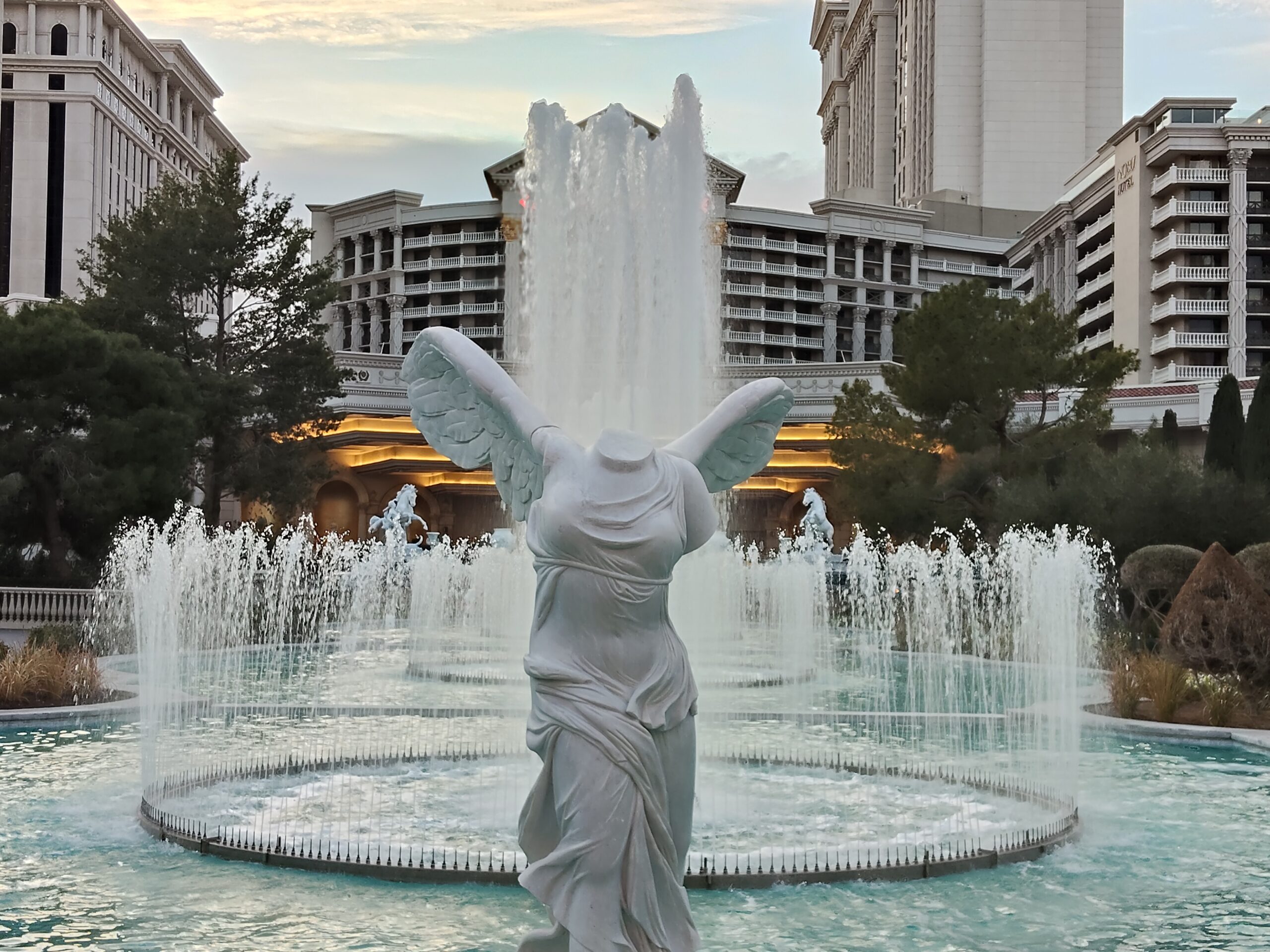
Caesars Palace is one of those properties that announces itself long before you reach the doors. The architecture does the heavy lifting. Wide stone walkways, statues frozen mid-gesture, fountains that feel more ceremonial than playful. Everything is designed to slow you down, lift your gaze, and gently suggest importance. This isn’t somewhere you rush into. It’s somewhere you arrive.
From the outside, it feels less like a casino and more like a monument to permanence. The Strip changes constantly — brands rise and fall, facades get refreshed, themes get softened — but Caesars has always leaned into the idea that it’s timeless. Roman imagery, marble tones, symmetry. Even if you’ve never gambled a dollar there, you already know what it stands for.
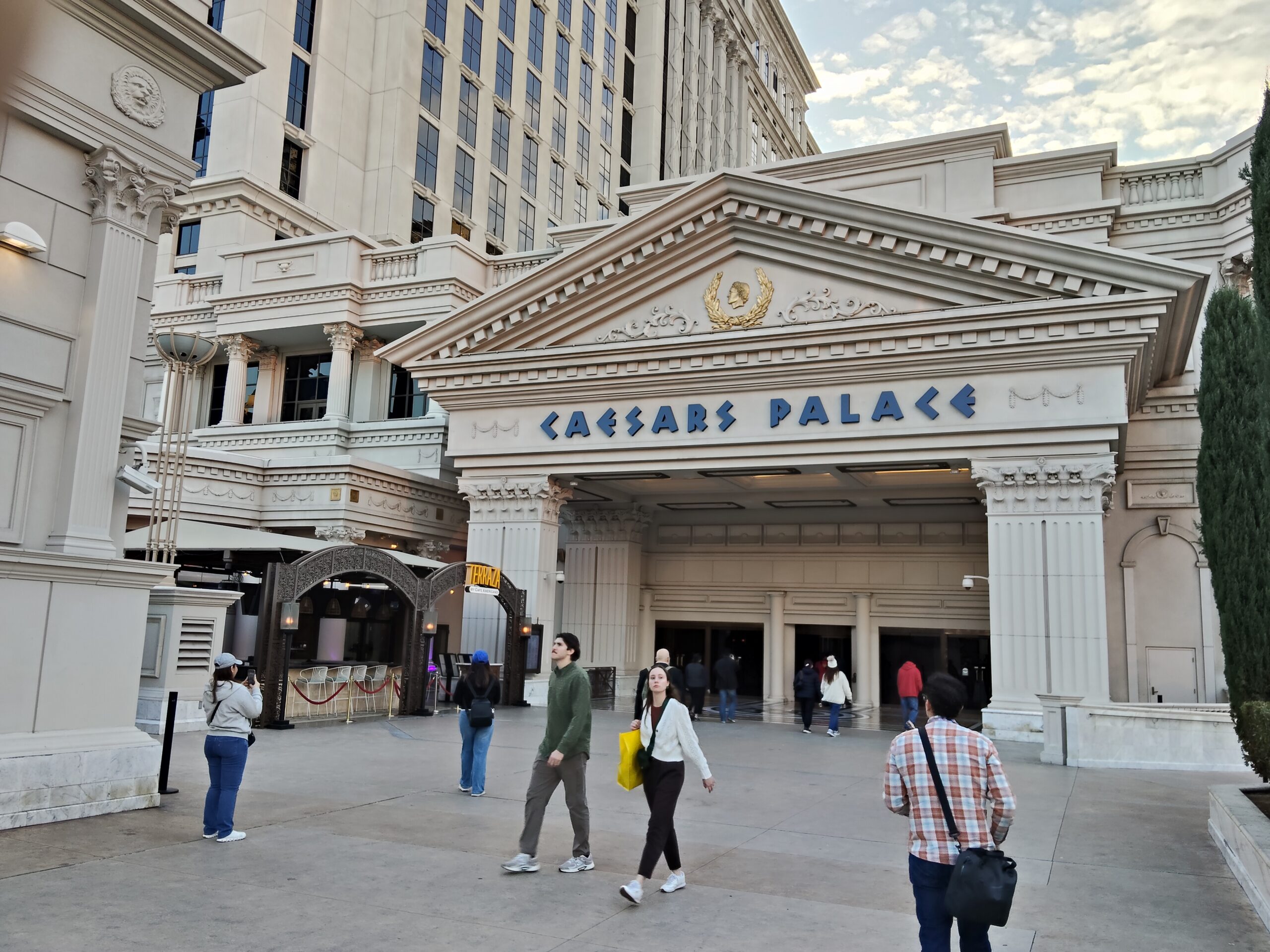
As I walked the perimeter, what struck me most was how calm the environment felt. Cars pulling in and out of the porte cochère. People stopping to take photos. Couples wandering without any obvious urgency. It didn’t feel like a place pushing for your money in the way some Strip properties do. It felt like a place confident enough to wait. That confidence is important.
Casinos like Caesars don’t need to shout. They rely on familiarity and reputation. You’re meant to feel that if you go inside, you’re stepping into something established — something that’s been there before you, and will still be there after you leave. Psychologically, that’s powerful. It subtly suggests that whatever happens to you inside is just part of a much bigger, ongoing story.
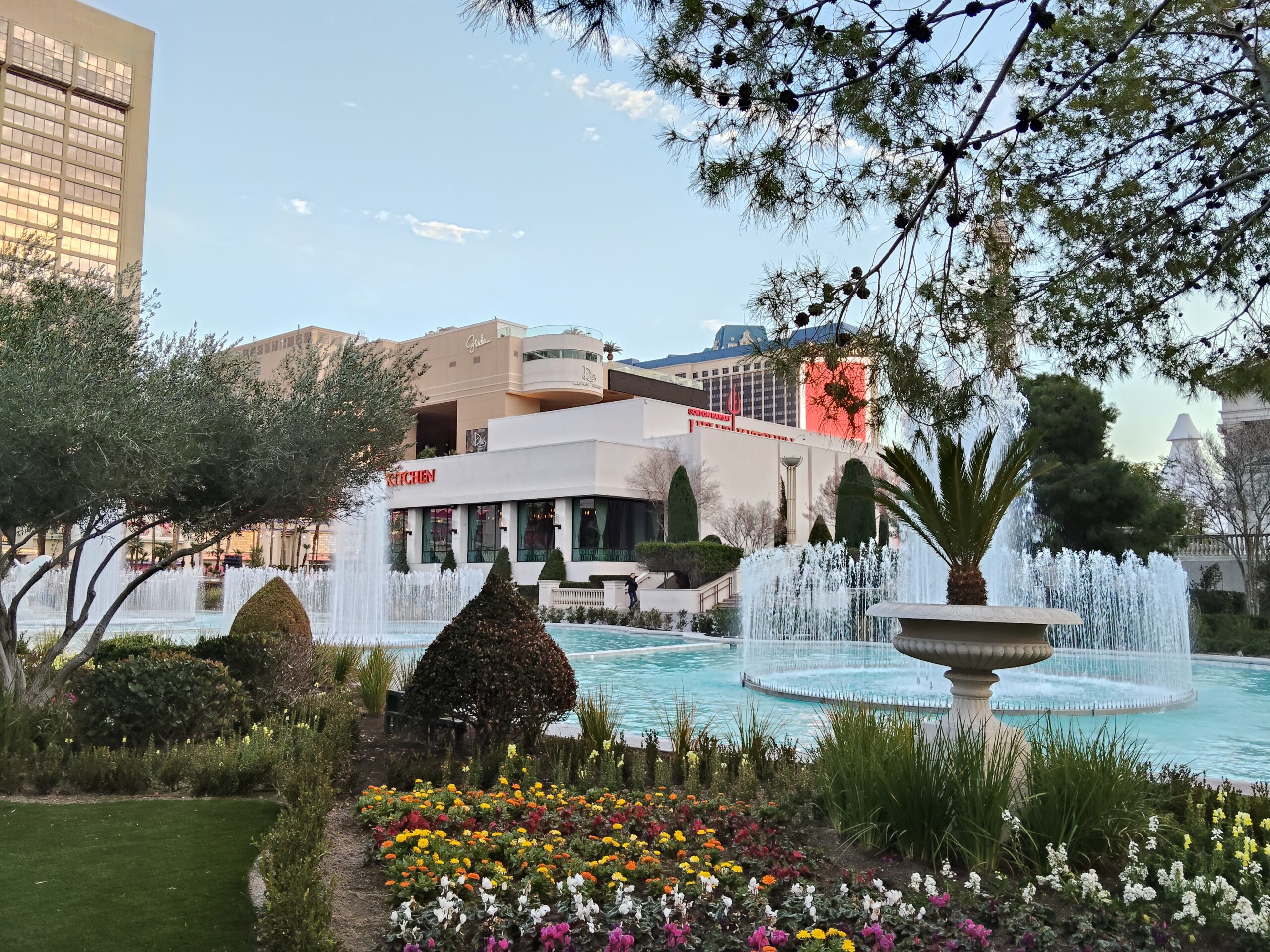
Walking past the fountains and statues, I watched people pause, look around, take photos, and move on. Some were clearly headed inside. Others, like me, were just enjoying the space. That’s part of the design too. Even when you’re not gambling, you’re still being absorbed into the brand. Caesars doesn’t need every passer-by to sit at a table. It just needs to stay lodged in your mind.
One thing I’ve noticed over the years is that the grander the exterior, the more controlled the interior tends to be. When a casino already has scale, prestige, and foot traffic, it doesn’t need to offer particularly generous conditions to players. The value proposition isn’t about odds or promotions — it’s about experience. You’re paying, one way or another, to be part of the environment. Standing outside made that easier to see.
There’s also something interesting about how much effort goes into the areas before you ever reach a gaming floor. The walkways are wide. The landscaping is deliberate. Sightlines are carefully managed so you’re always aware of where the entrance is, even when you’re not facing it directly. You can wander, but you never feel lost. The building is always gently pulling you back toward itself. That’s not accidental.
Casinos understand that the decision to gamble often happens before a player realises it has happened. By the time someone crosses the threshold, they’ve already accepted the mood, the scale, the legitimacy of the place. The outside experience is there to soften resistance. It says, “You belong here,” long before you sit down.
What I also appreciated, personally, was that staying outside kept my head clear. I could enjoy the spectacle without the noise, the lighting, the constant micro-decisions that come with being inside a casino. I wasn’t tempted to chase anything. I wasn’t evaluating tables or machines. I was just observing. And observation is underrated.
For anyone serious about understanding how casinos work — not just how games work, but how people work inside casinos — moments like this are valuable. Watching who goes in, who lingers, who turns back. Seeing how architecture and atmosphere do half the work before a single dollar is wagered.
By the time the sun dipped lower and the lights began to warm, Caesars Palace looked exactly like it’s supposed to: solid, impressive, quietly confident. A place that doesn’t need you to play today, because it knows there will always be tomorrow. I walked away without feeling like I’d missed out on anything.
Sometimes, beating the casino isn’t about finding the right game or the right moment. Sometimes it’s about recognising when you already have what you came for — an experience, an observation, a clear head — and choosing to leave it at that. This time, the outside was enough.