Why I Walked Past the Las Vegas Airport Slots
On 9 January, I found myself with just over three hours to kill at Harry Reid International Airport, waiting for my flight to Dallas. If you’ve ever flown out of Las Vegas, you’ll know the scene well. The trip isn’t really over until the very last minute, because even after you check in, clear security, and find your gate, the casino is still there — quietly waiting.
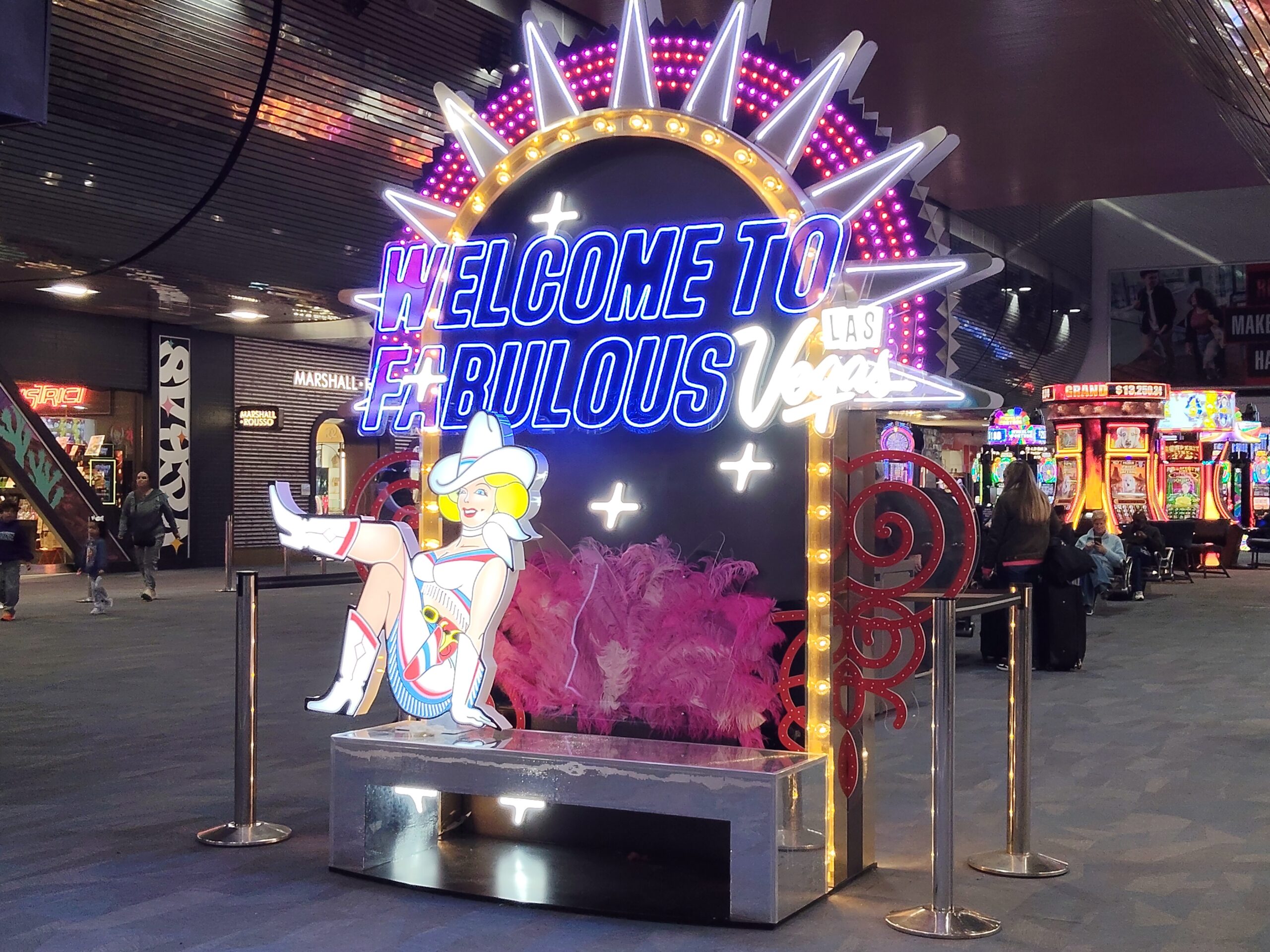
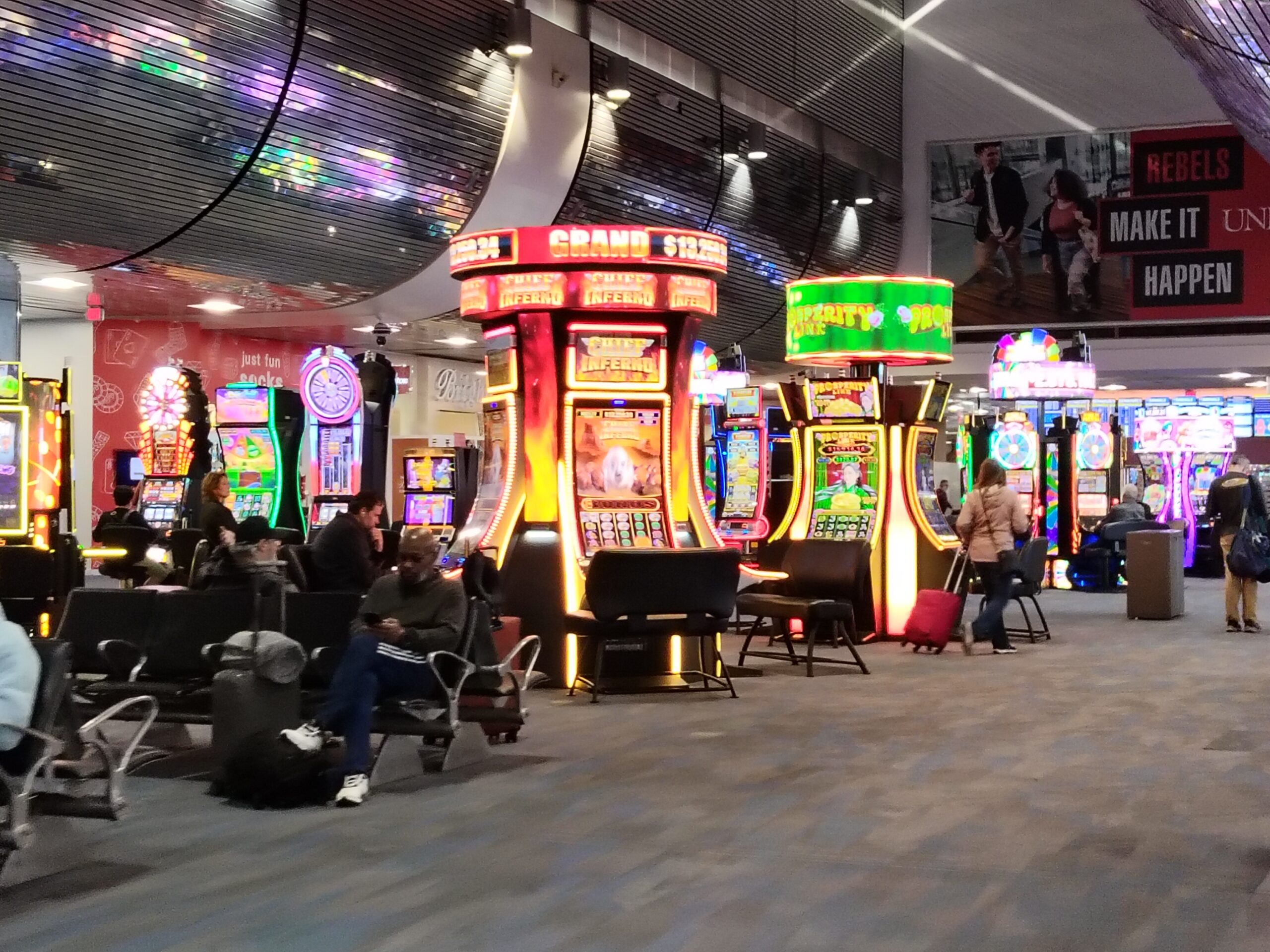
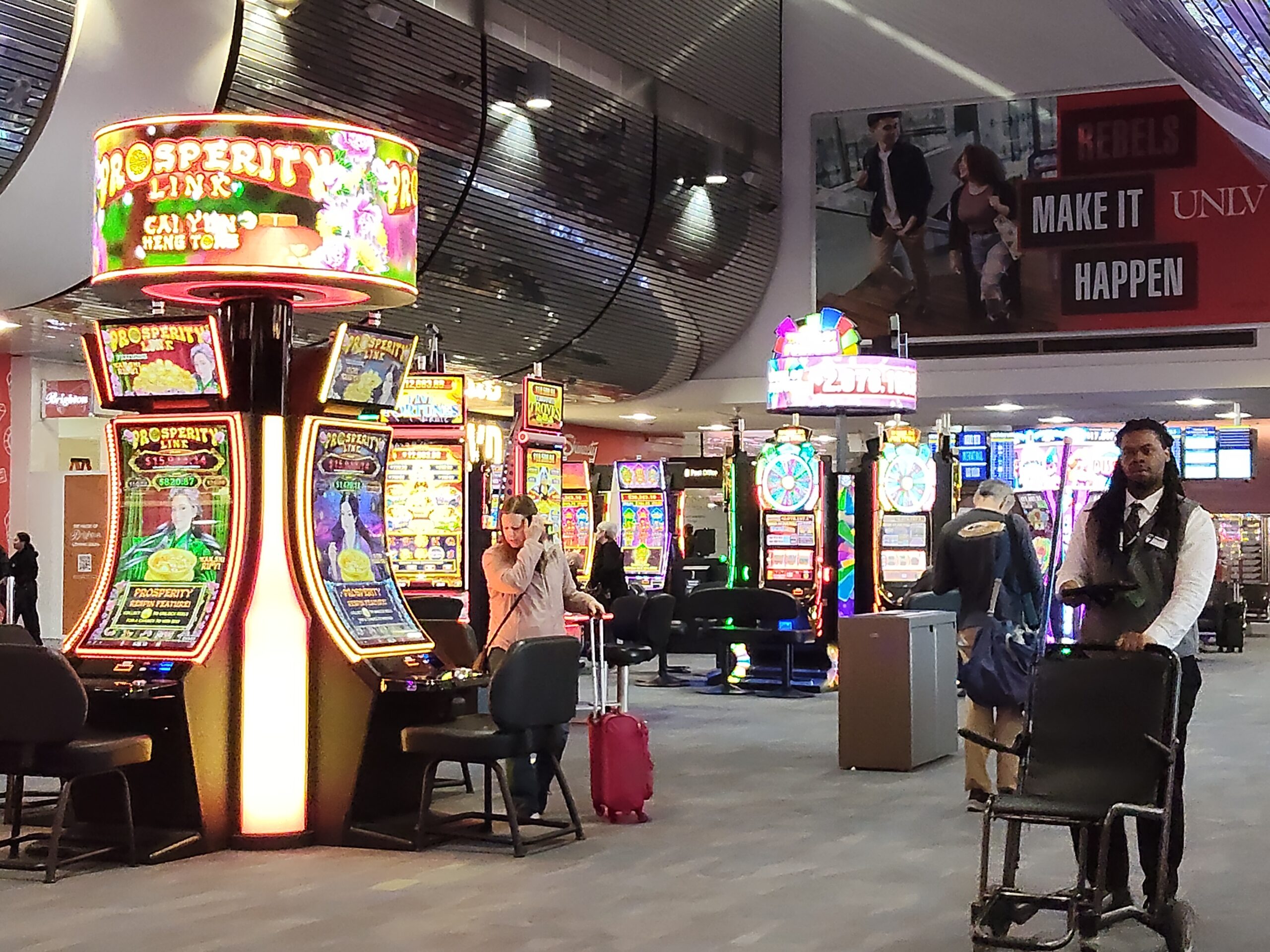
Slot machines line the walkways, sit beside cafés, and hum softly near the boarding gates. They’re not flashy like the Strip. No pounding music, no big crowds. Just familiar machines, glowing screens, and the promise of one last spin before reality sets back in.
I stood there for a moment and genuinely considered it. Three hours is a long time in an airport. I’d just spent nearly two weeks in Las Vegas. I knew the games. I knew the routines. I had time, and I had money in my wallet. And then I didn’t play. That decision wasn’t accidental. It came from something I’ve learned over years of watching how casinos really work.
Airport slots are designed for one thing: convenience. They exist to catch people in limbo — travellers who are tired, bored, slightly emotional, and already halfway out of holiday mode. You’re no longer “on a gambling trip,” but you’re not home yet either. That in-between state is powerful, and casinos know it.
What struck me immediately was how calm everything felt. No excitement, no energy, just quiet repetition. People playing alone. Small bets, steady losses. A few wins that barely registered before being fed back into the machine. Nobody celebrating. Nobody walking away noticeably ahead. Just spinning.
These machines don’t need to advertise payouts or promotions. The foot traffic does all the work. Thousands of people pass them every day. Some sit down for five minutes. Some for an hour. From the casino’s perspective, it’s perfect. Low staffing. Minimal space. Constant action.
And from a player’s perspective? It’s one of the worst environments you could choose to gamble in.
There are no comps worth chasing. No player’s club incentives that matter. No atmosphere that sharpens your thinking. You’re playing because you’re waiting — not because you’ve made a conscious decision to gamble. That’s the key difference.
By the time I reached the airport, I already knew how my Vegas trip had gone. I knew what I’d enjoyed. I knew what hadn’t been worth it. I’d already processed the wins and losses emotionally. Sitting down at an airport slot wouldn’t have added anything positive to that experience. It would have been pure leakage — money drifting away simply because a machine happened to be nearby.
What also crossed my mind was this: casinos are very happy for your last gambling memory to be a quiet, forgettable loss. There’s no downside for them. If you leave Vegas having given a bit back at the airport, it smooths out any good run you might have had earlier. You’re less likely to remember a specific bad moment. Just a vague sense that “Vegas always gets you in the end.” That narrative benefits the house.
Instead, I took photos. I watched people. I had a Burger King meal. I sat with my thoughts. I boarded my flight with my money still in my pocket and my head clear. Walking past those machines felt like a small win in itself.
The truth is, beating casinos isn’t always about systems or strategies or finding the perfect game. Sometimes it’s about recognising when the game is no longer serving you — and choosing not to play at all. Airport slots are a perfect example. They’re not there to entertain you. They’re there to monetise waiting time. And this time, I chose not to let them.